Learning and thinking are deeply intertwined. Thinking, as defined by the Oxford Dictionary, is the process of considering and reasoning about something. This cognitive process often leads to profound change, rather than superficial alterations. Engaging in deep, logical, and analytical thinking can give rise to new perspectives and conclusions that challenge our established beliefs and assumptions, prompting us to see the world from fresh angles. This transformative shift can be a catalyst for action. When we remain open to diverse viewpoints and are willing to reevaluate our beliefs, we become more receptive to change. This receptiveness can influence our behaviors and attitudes, guiding us to new perspectives and personal growth. Therefore, learning is not a separate entity from thinking; it emerges naturally as a direct outcome of our thought processes.

After reading Charles Fernyhough’s article ‘What do we mean by ‘thinking’?’ (2010), which describes thinking as a conscious and active process with verbal quality, I reflected on my teaching goals. I realised that to help students improve their learning, I need to start with the basics: fostering and nurturing student thinking by understanding why, how and what they are thinking, and helping them to express their ideas through language, whether spoken or written.
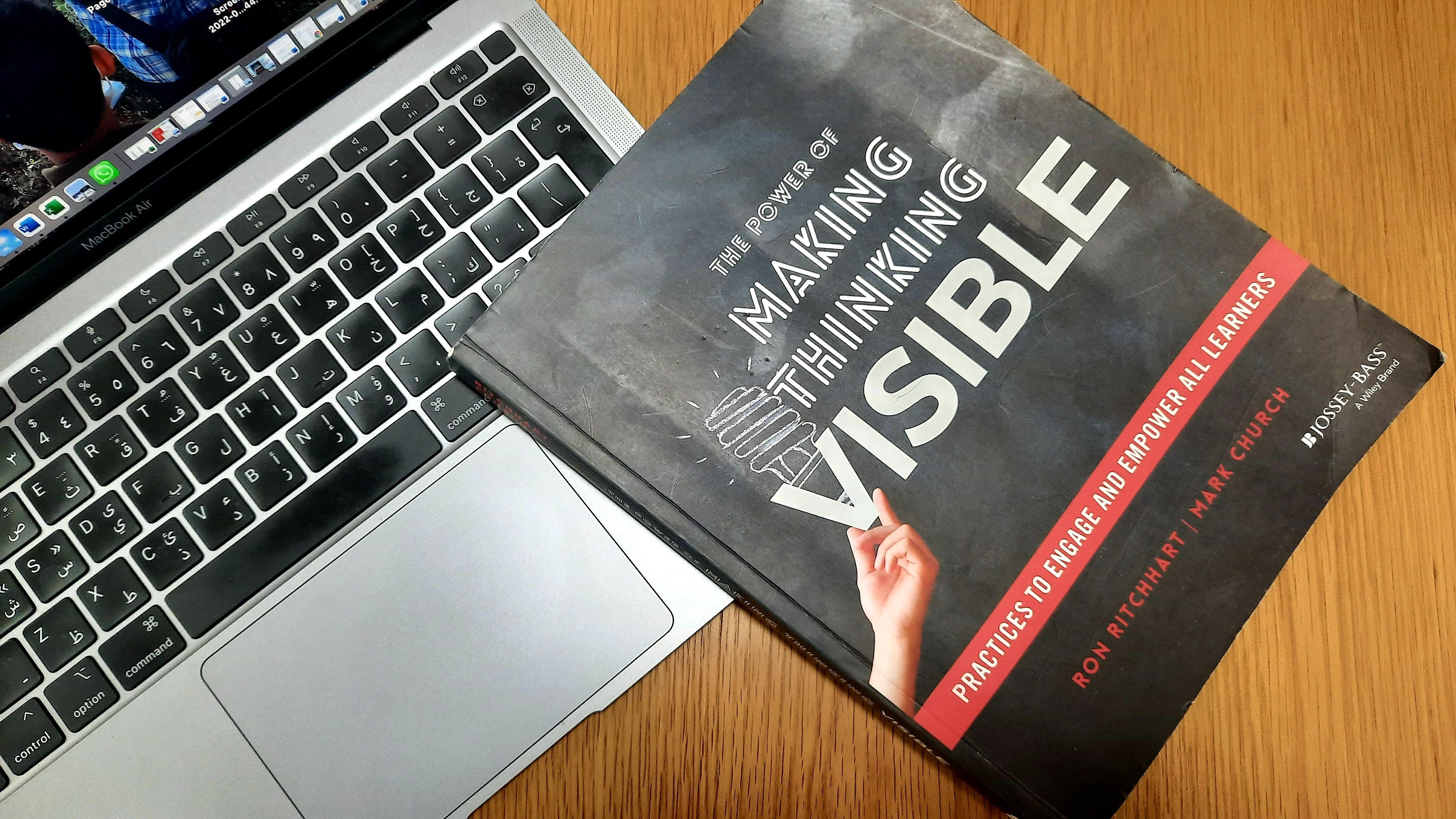
To deepen my understanding of thinking and learning, I recently joined a cohort led by Mark Church and delved into his book “The Power of Making Thinking Visible,” co-authored with Ron Ritchhart. Through this experience, we explored how to make thinking visible, valued, and actively promoted. We explored a variety of routines that help students engage with ideas, collaborate with others, and take action. This experience left me feeling enlightened, proud, motivated, and curious about my students. I am eager to share a few key takeaways from this rewarding experience and embrace the idea of priming thinking in myself and my students.
Provide Opportunities to Students: It helps develop deeper learning if students are provided opportunities to show mastery by creatively identifying connections between their ideas, thoughts and content. This requires the teacher to create a thoughtful setting and culture that encourages perspective-seeking, asking questions, and making connections. However, this doesn’t happen overnight and it’s important to provide occasions for students to practice these skills consistently. By honouring the authentic thinking that occurs in unplanned moments, teachers can help students develop a sense of ownership over their learning and foster a community of learners who support and challenge each other to think deeply.
Remember Children are not Blank Slates: It’s important to take into consideration your students thinking and prior knowledge before planning a lesson. When teachers listen, observe, examine and analyze students’ thinking they can understand what students know and how they know it. This provides a clear understanding of the student’s ideas, misconceptions and thought processes that they are bringing to the classroom which is as essential as the lesson objectives and curriculum standards.
Ask Questions: Probing student responses drives their thinking and learning. It leads to more questions that reveal curiosity and understanding. Facilitative questions like “What makes you say that?” “Can you say what you are saying in a different way?” “Can you say more about it?” are all questions facilitative in nature and push students to further elaborate and justify their thinking to themselves and the teacher.
Display Thinking for Students: Giving students space to make thinking visible encourages exploration and engages learners with their peers and action. Such opportunities for shared thinking build collective understanding in the classroom. Documenting thinking helps in advancing learning as the collected information can always be referred to more analysis and reflection.
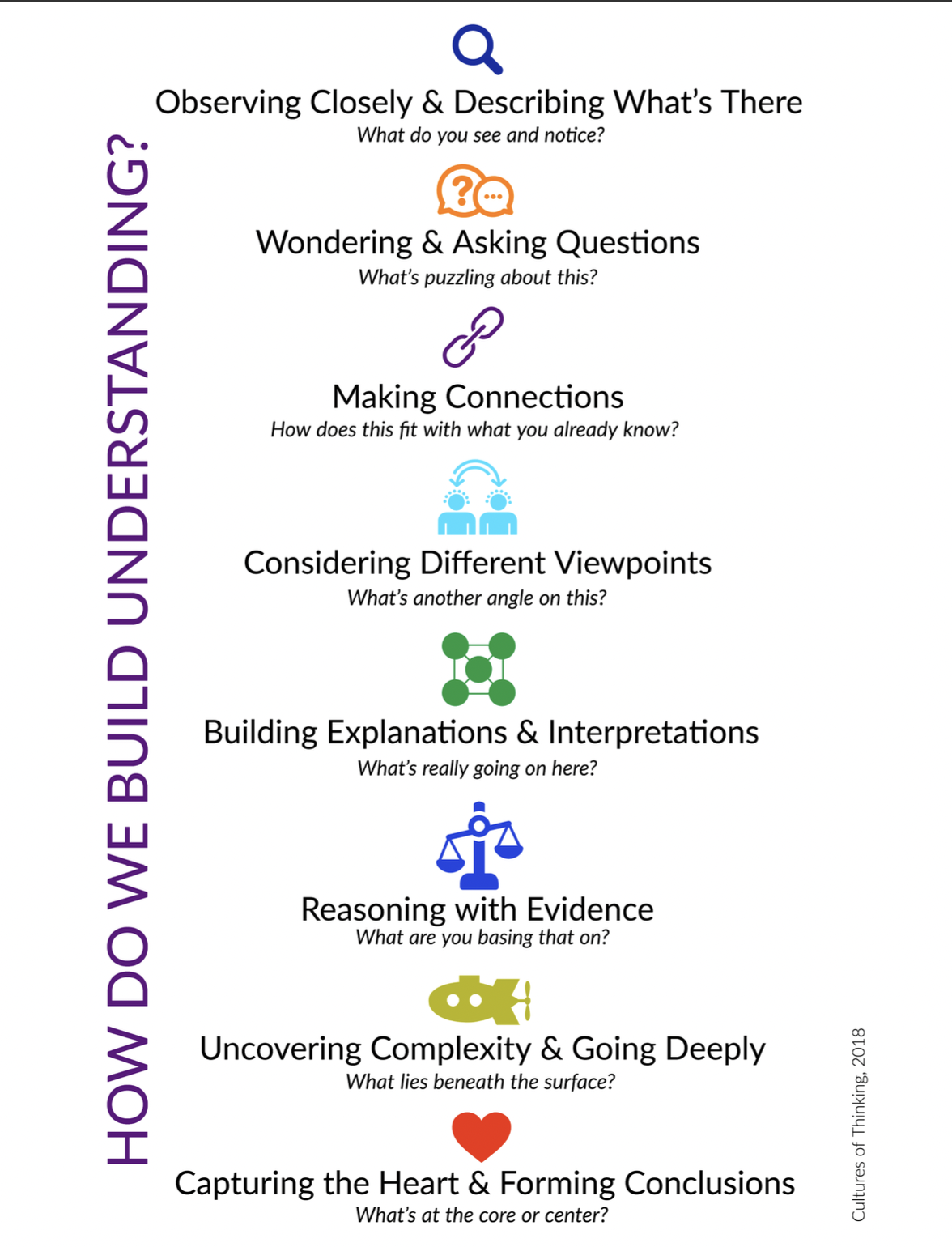
Stay on Track: By using visual aids such as the Understanding Map designed by the authors, teachers can provide a constant reminder of the thinking moves that students should aim to use in the classroom. This visual aid highlights cognitive thinking moves that foster higher-order thinking and can be applied across disciplines. This visual reminder can serve as a starting point for discussions, a basis for planning, and a way to gauge students’ readiness levels.
Build Relationship & Trust: Foster a strong relationship with your students by communicating that their thoughts and ideas are valuable to you. Be transparent about the thinking skills you want them to develop and work collaboratively to strengthen these skills.
Shift your Focus: Another crucial aspect to consider when planning a lesson is ensuring that the purpose remains clear and not skewed. During one of our discussions with Mark Church, I had a game-changer moment when he emphasized that the focus should not solely be on using thinking routines such as See, Think, and Wonder as ‘The Routine’, but rather making seeing, thinking, and wondering ‘a routine’ in our classrooms. This statement helped me shift my focus towards creating a culture of thinking in my classroom, rather than it being just a place to complete tasks.
The Power is in the Routine: ‘Routines are designed to make a pattern of behavior automatic’. Consistently using and revisiting thinking routines, helps students develop a habit of mind, which allows them to apply these thinking skills more naturally and effectively in their academic and personal lives. Additionally, thinking routines can help students to develop metacognitive skills, as they learn to reflect on their thinking processes and identify areas for improvement. Once thinking routines are in place, the classroom will automatically buzz with questions, ideas, perspectives, arguments, reasonings and wonderings.
It’s important to keep the conversation going and continue to build a community of thinkers! Let’s work together to create learning spaces where students feel empowered to think and share their thoughts and ideas.
You are welcome to add and share more ideas to this watering hole in the comments below.
 Learn with Arush