Introduction:
Be inspired to make a change—it is never too late. Last autumn, Fairgreen International School joined Schools Across the Ocean, a ‘green futures’ project by the University of Exeter, with special thanks to its Project Lead, Anita Woods, and our Head of Sustainability, David Gerber. Through a unique partnership with a twinned school in the British Isles, our students engaged in various activities to voice their concerns about the impact of our actions on the oceans, culminating in a bilingual poetry anthology ‘We are the Ocean‘ in English and Arabic, which was launched at COP 28.
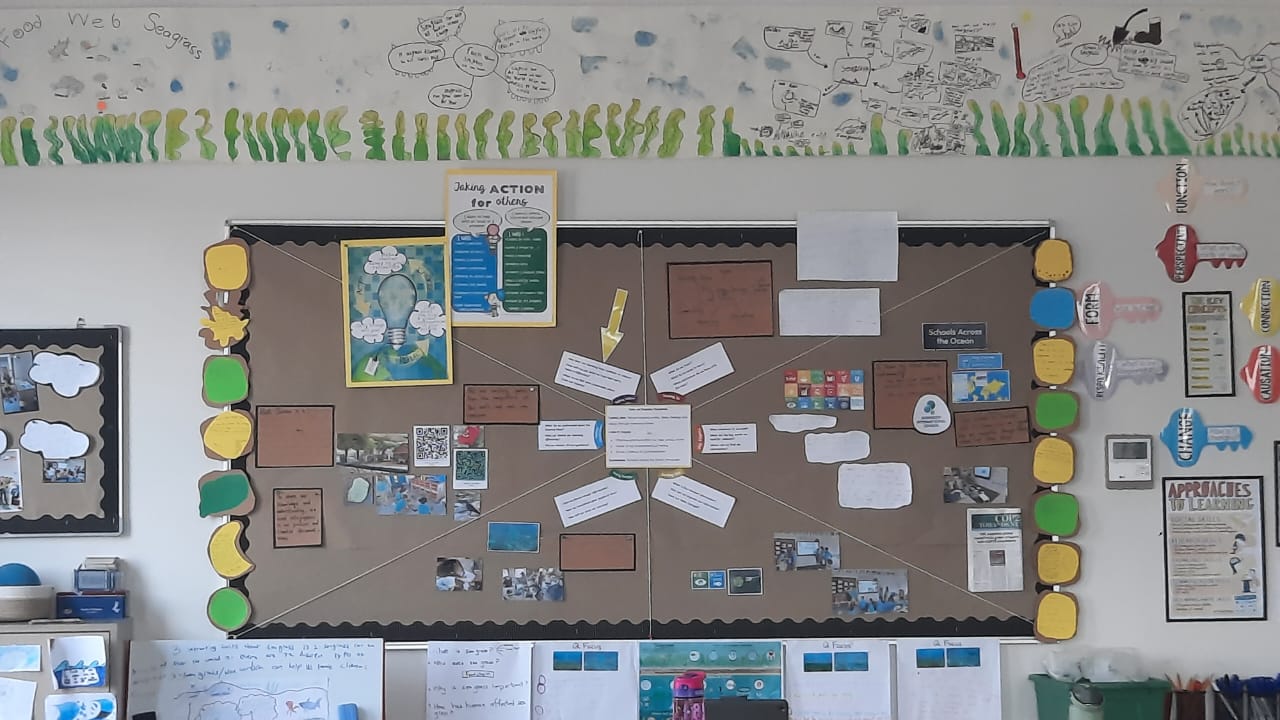
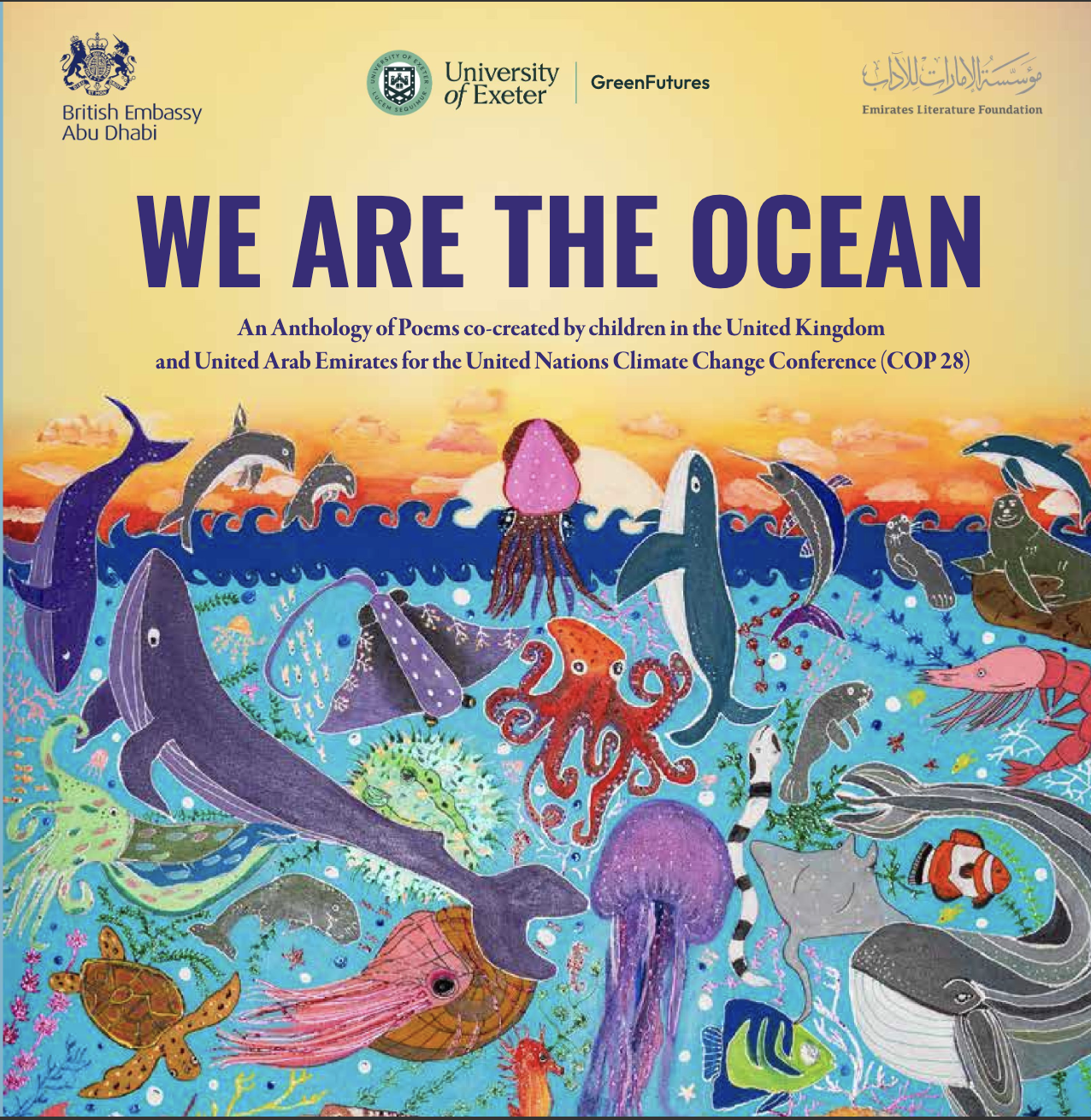
This experience prompted a paradigm shift for me, transforming my perspective on teaching. Join me as I share the wonderful learnings of my students during this project and explore how this collaboration demonstrates how seamlessly a curriculum for sustainability and project-based learning can be integrated into any existing educational frameworks. This collaborative effort enhanced our current transdisciplinary unit ‘How We Express Ourselves” and helped develop a global perspective on sustainability, empowering our students to become active citizens. Yes, We Were The Possible!
What is Sustainability?
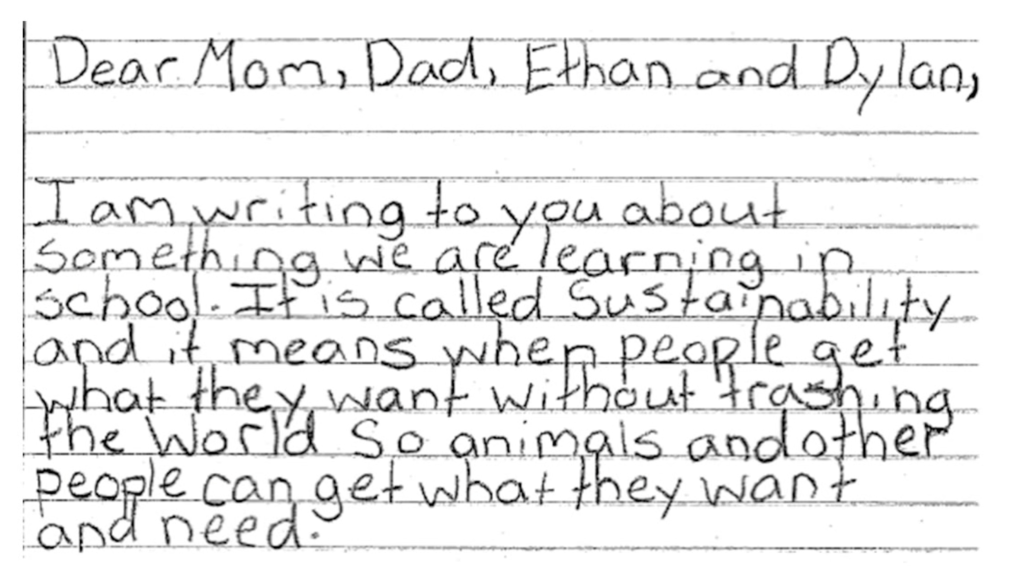
‘Sustainability is a paradigm of thinking about a future where environmental, social, and economic considerations are balanced in the pursuit of development and an improved quality of life’. A third grader’s simple writing, shared by Jaimie Cloud, perfectly captures this essence, highlighting how intuitive and straightforward sustainability can be.
Why is Education for Sustainability Important?
The impact of climate change is being experienced by students around the world. They must understand the causes of these experiences, use their voices to provide solutions, and equip themselves to adapt to these changes. According to UNESCO, “Education for sustainable development allows every human being to acquire the knowledge, skills, attitudes, and values necessary to shape a sustainable future.” Our aim is for students to embrace global citizenship, a concept described by Greens (2012) as the habits of mind that influence how individuals approach problems, make decisions, and engage with the world. This includes gaining skills to understand different perspectives and fostering a belief that they can make the world a better place. Teaching sustainability helps children see the connection between their lives, community, and society, empowering them to become agents of change capable of addressing environmental challenges in their communities (Newman, 2011).
Tour Around the Unit in 7 Weeks:
Have a look at what the seven incredible weeks of learning and developing for my students and myself using the project toolkit looked like:
–Provocation & the SDGs
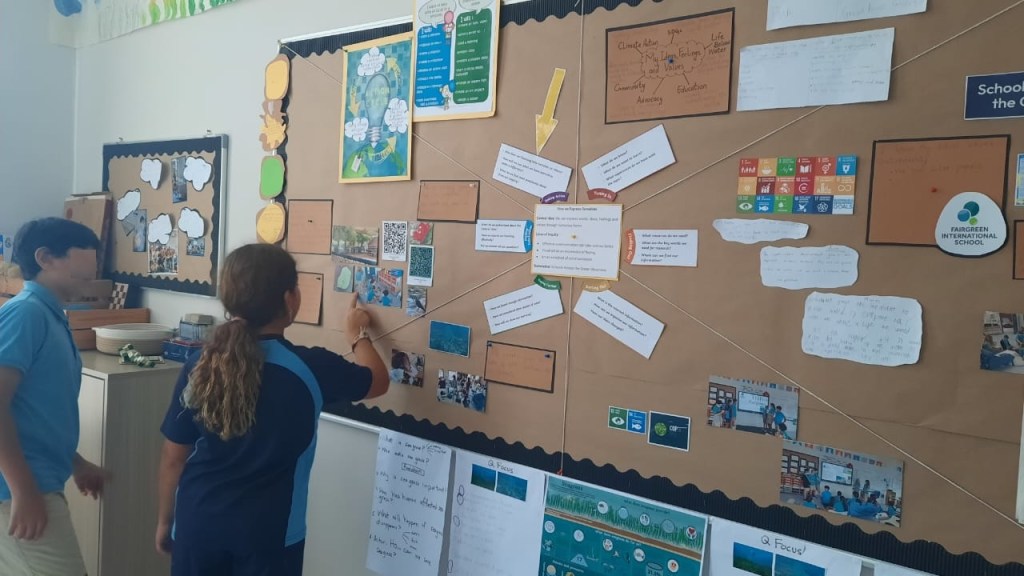
Most of you know that I’m a big fan of the question formulation technique (QFT), so we started our unit with a provocation using a picture of the polluted sea and used student-generated questions to gauge prior knowledge and set the tone for future research into the ocean.
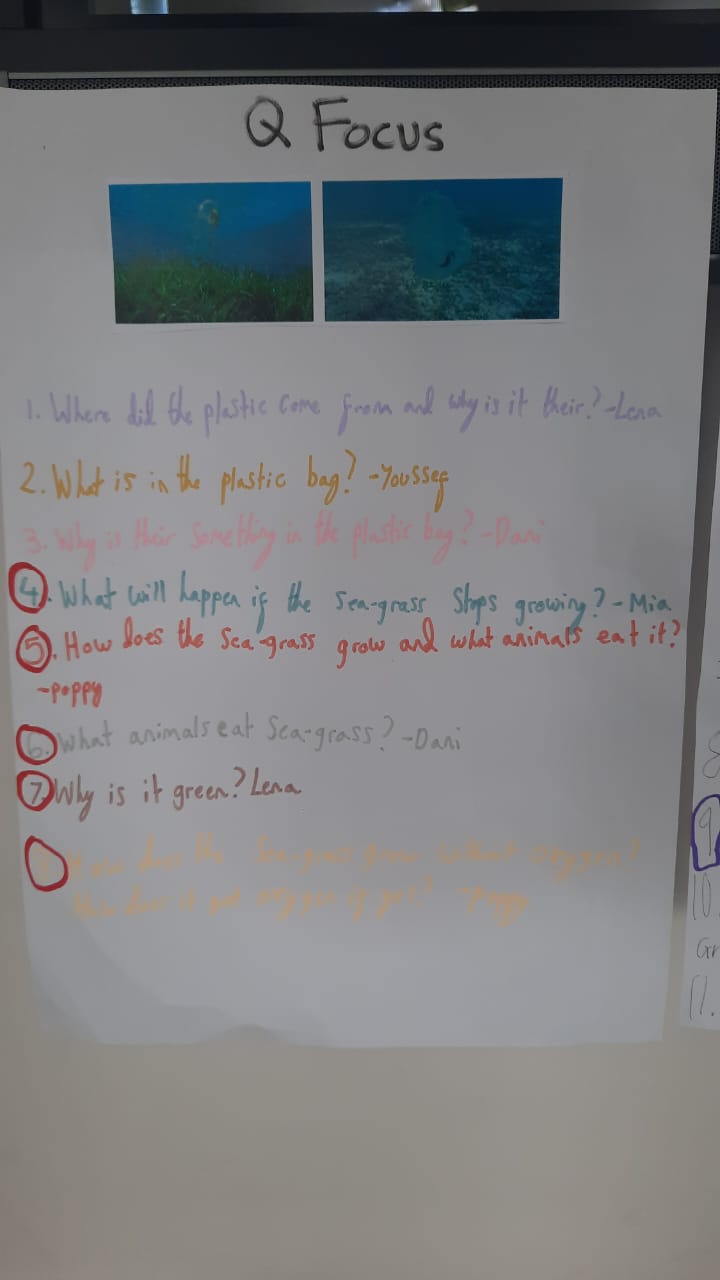


After that we started our discussions on UN Goals for sustainable development and identifying the SDGs relevant to the problem under study. I sometimes find these discussions challenging for 5th graders due to the complexity of the concepts. However, despite this, I have seen that students love learning about the SDGs because they are inspired by the idea of making a positive impact on the world. Students enjoy feeling empowered and responsible for contributing to a better future.
–Connecting through Communities:
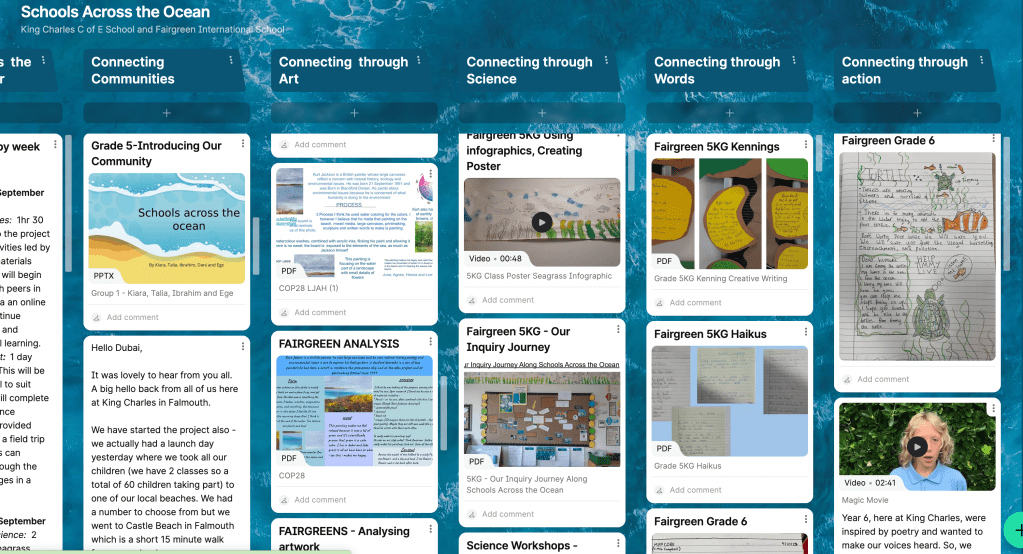
The students shared their work with peers in their twinned school through an online portal – Padlet.
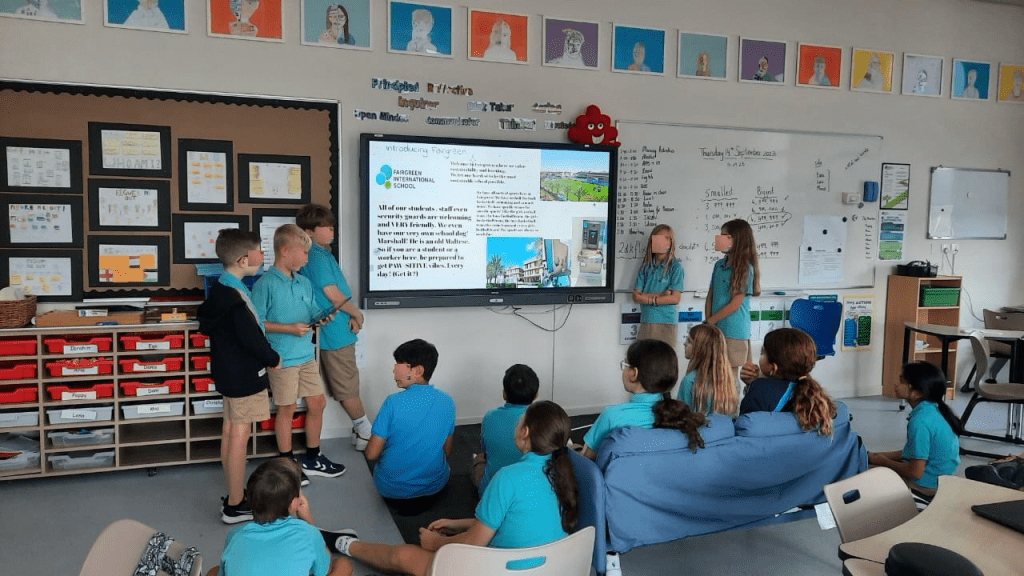
They introduced themselves and their school, local flora and fauna, along with information about their local marine and coastal environments by creating annotated slides. This activity provided an excellent opportunity for students to explore each other’s school cultures, learn about the similarities and differences in their environments, and raise questions that sparked curiosity.
–Connecting through Science:
While exploring ocean literacy using tools like the Spillhaus projection map, students visualized Earth’s one ocean while trying to understand the interconnected nature of our marine ecosystems.


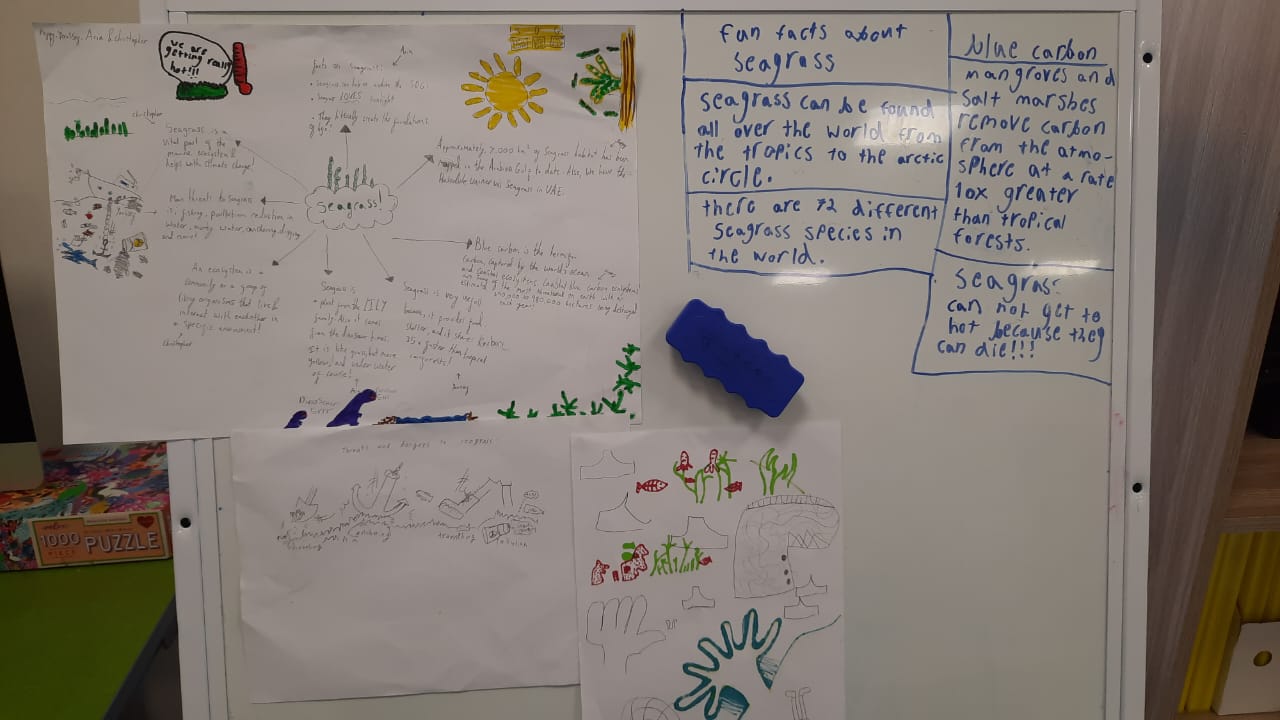
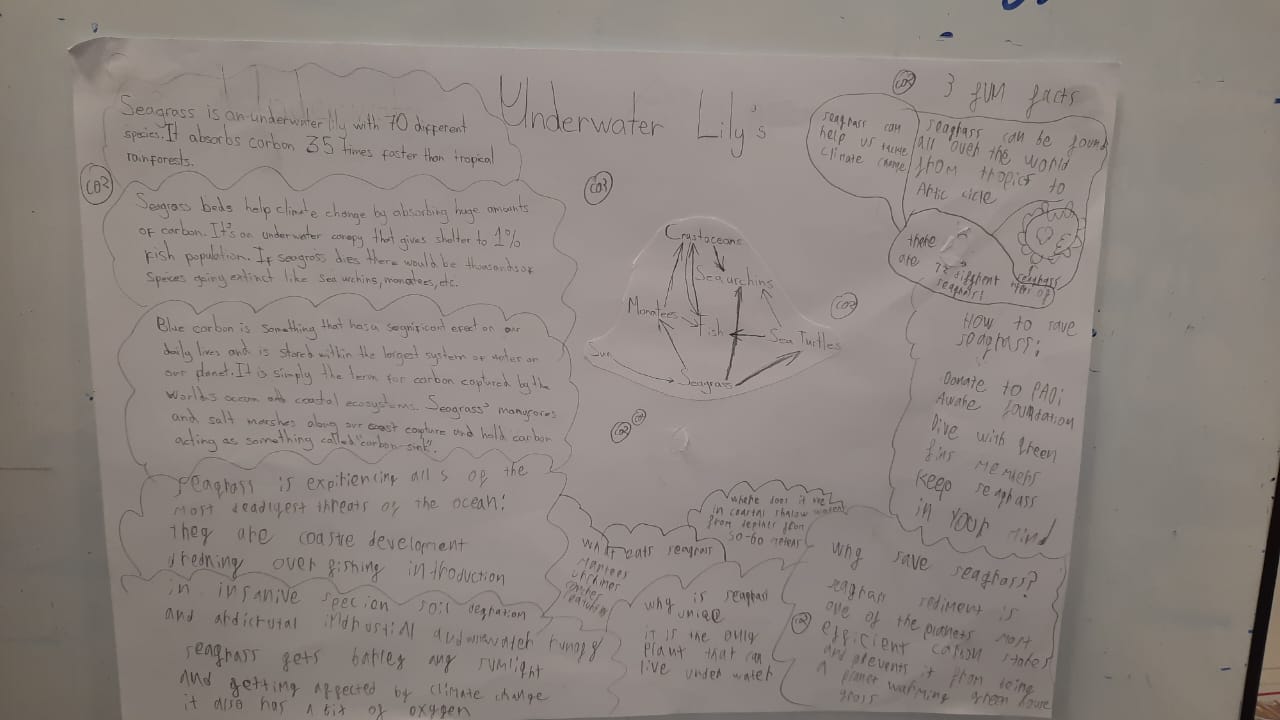
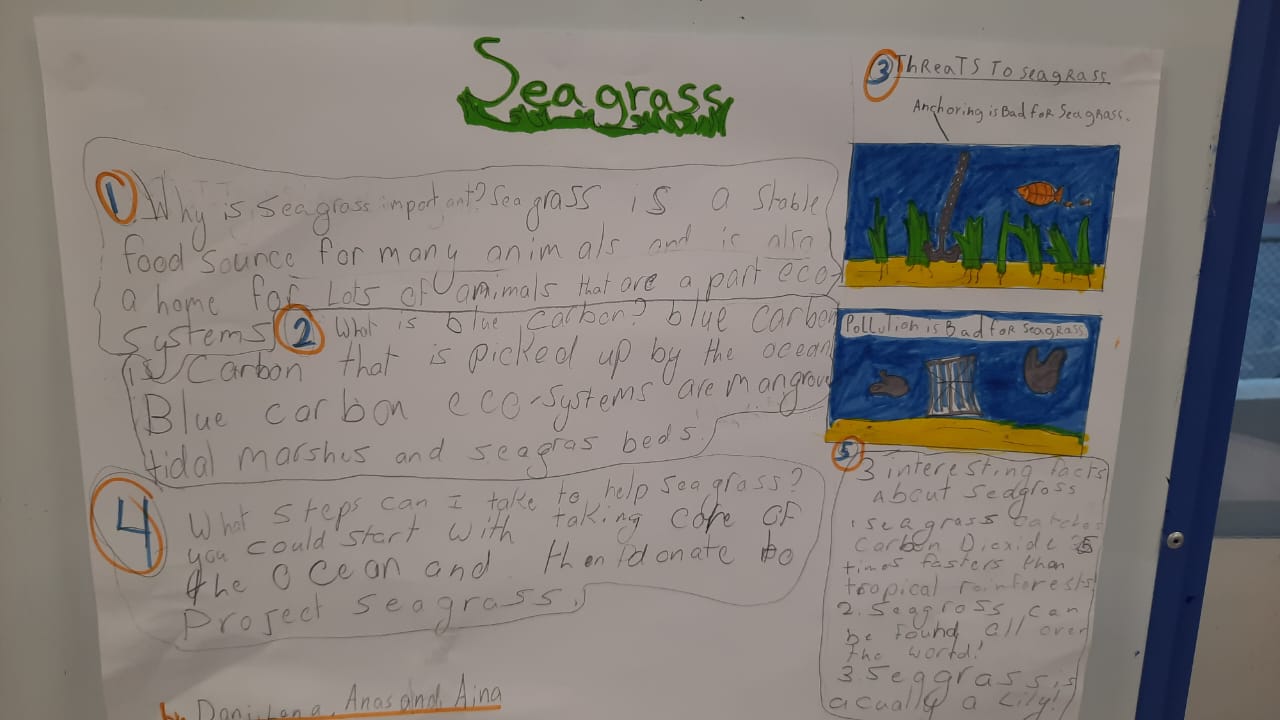
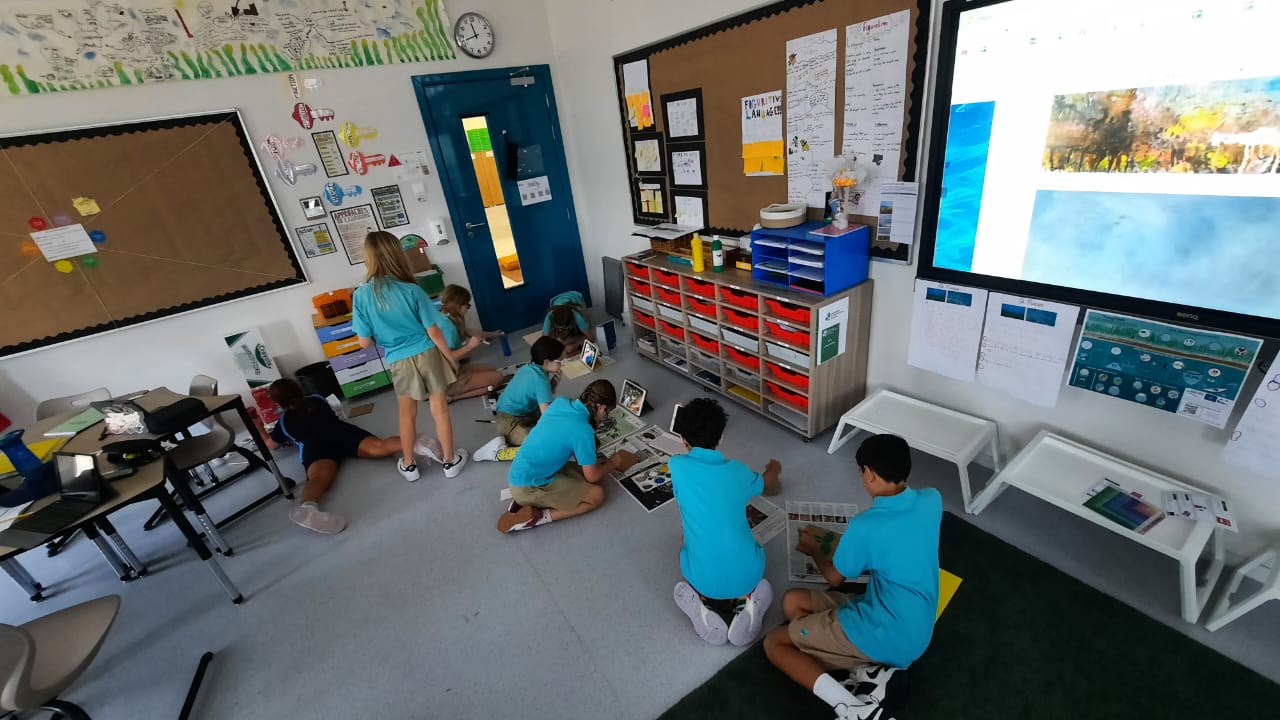
They conducted research like ecologists, using provided toolkit to explore ideas, ask questions, and create infographics and documentaries about seagrass ecosystems to build and share understanding. This was complemented by attending workshops via Zoom, reflecting on their learning, and sharing their creations with the twinned school.
–Connecting through Art:
Students engaged with the works of Kurt Jackson, an artist whose creations are influenced by the natural history, ecology and the environment.
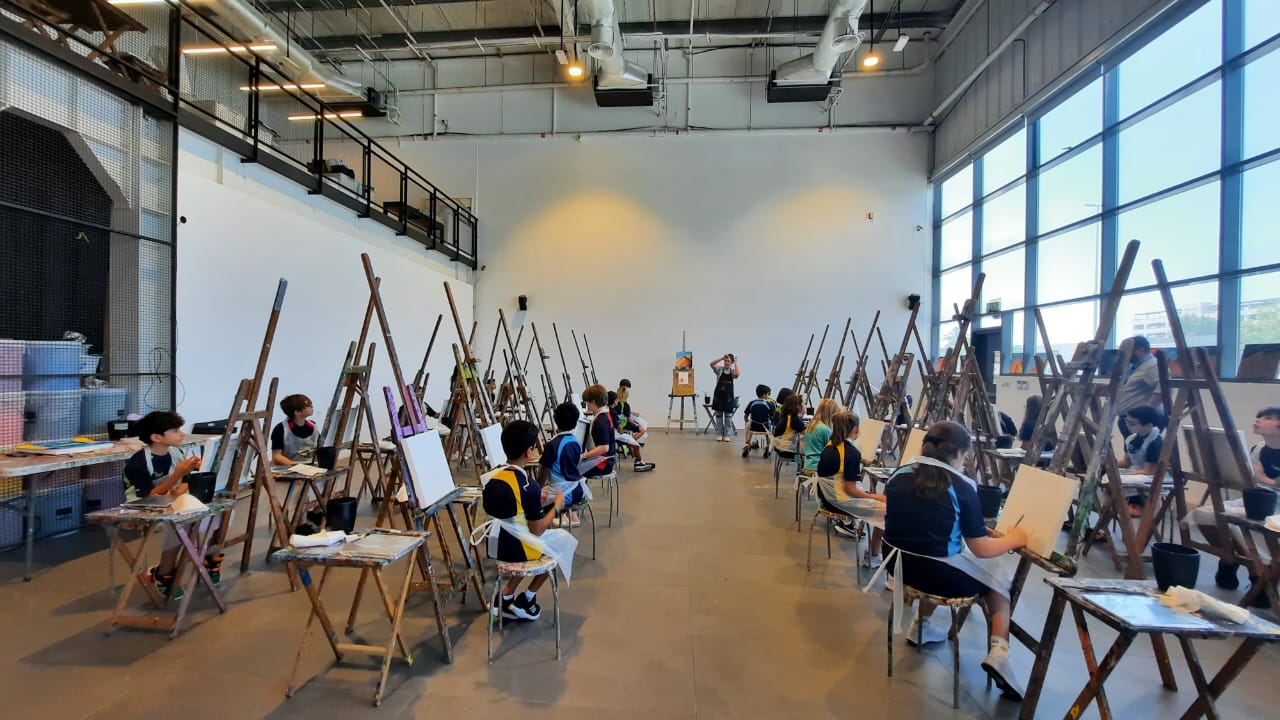
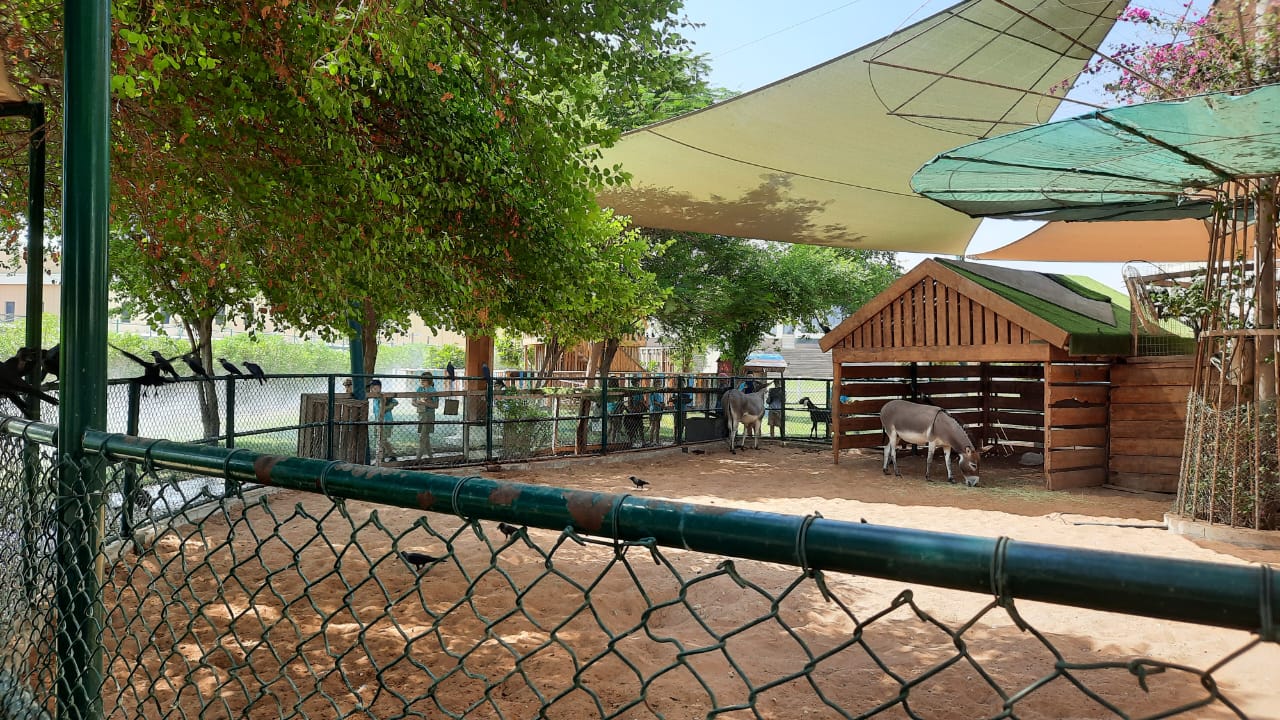
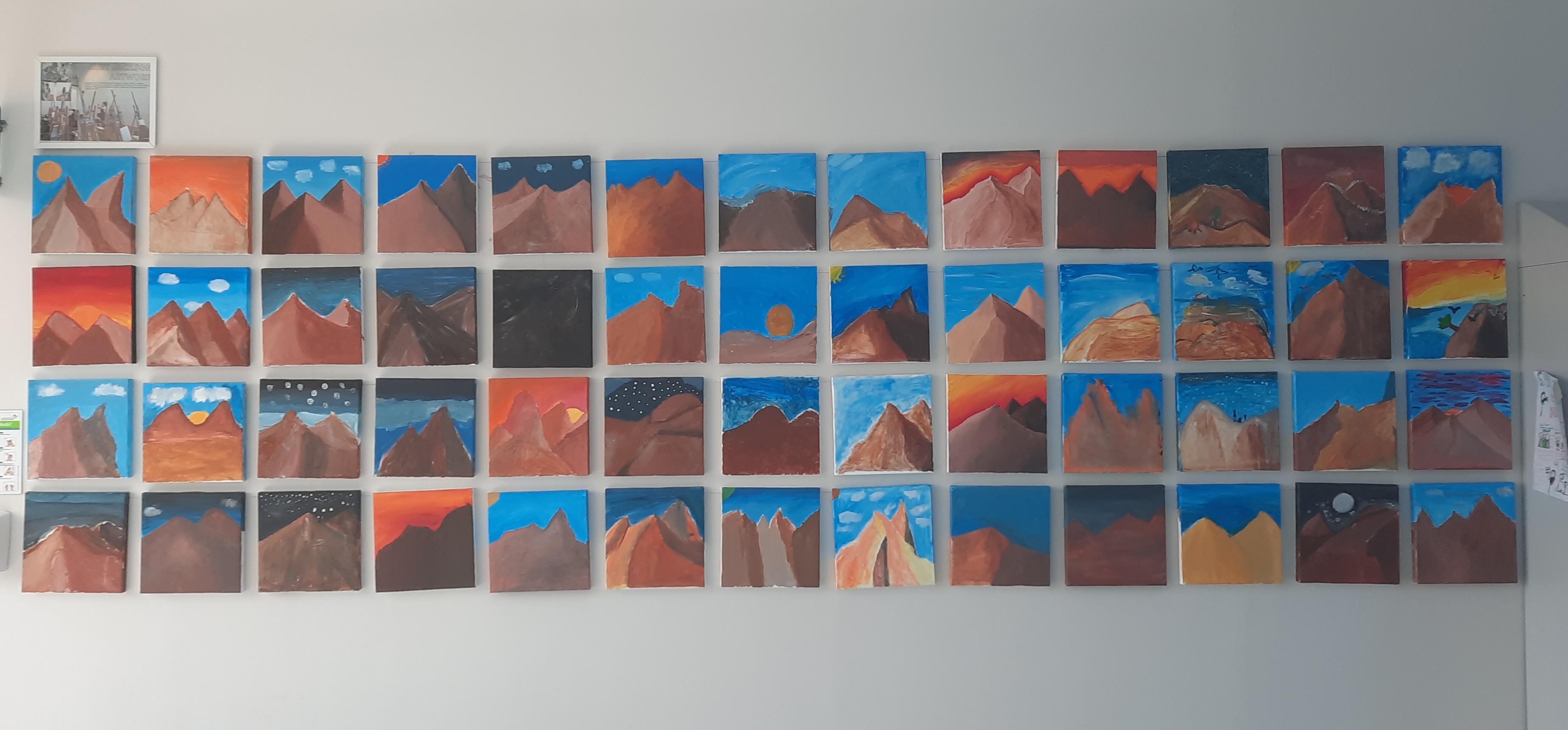
Students engaged in practices like sit spotting to notice the ground beneath and the sky above while engaging our senses with the environment. They participated in field visits in the local community foraging for tiny things that grasped their attention and created art inspired by our local desert environment.
–Connecting through Words:
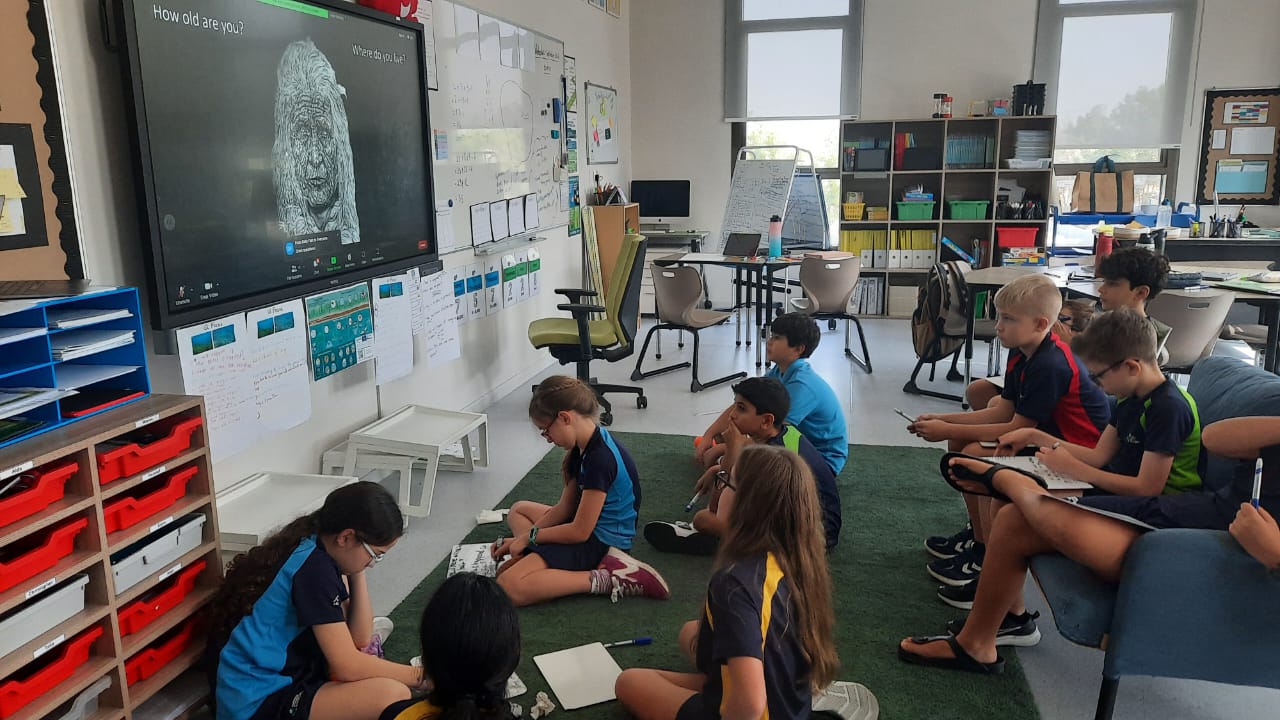
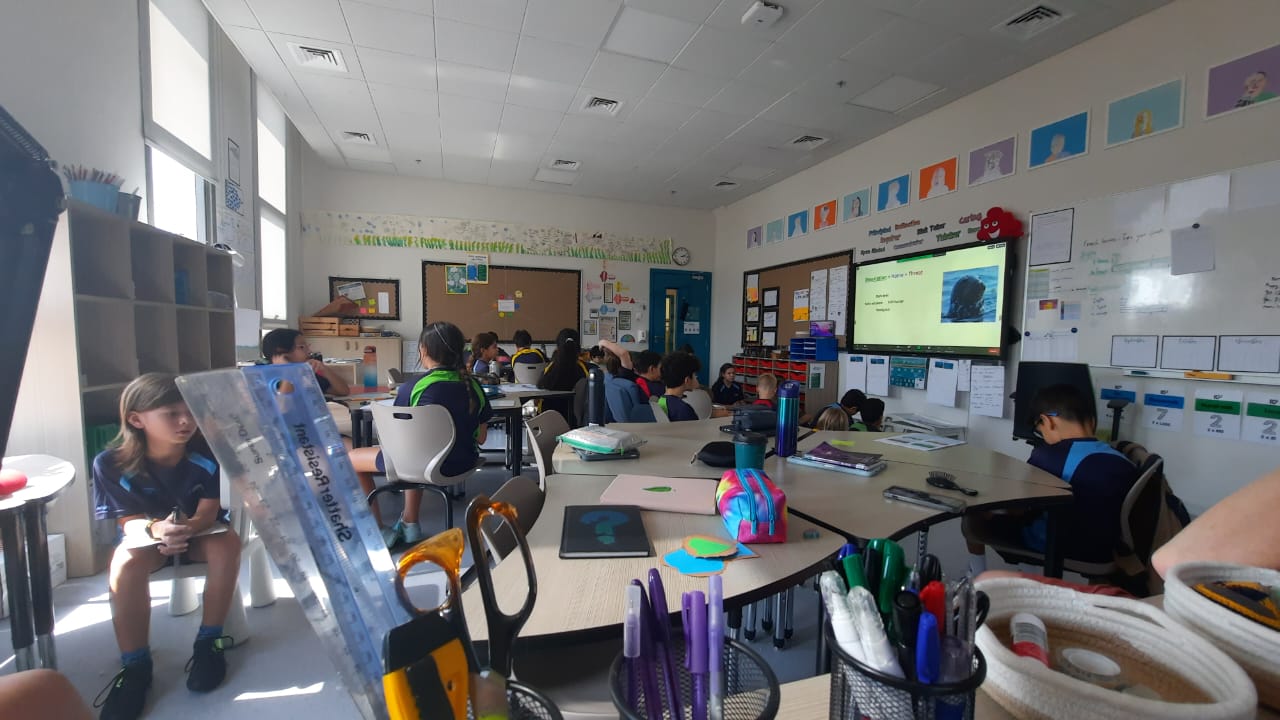
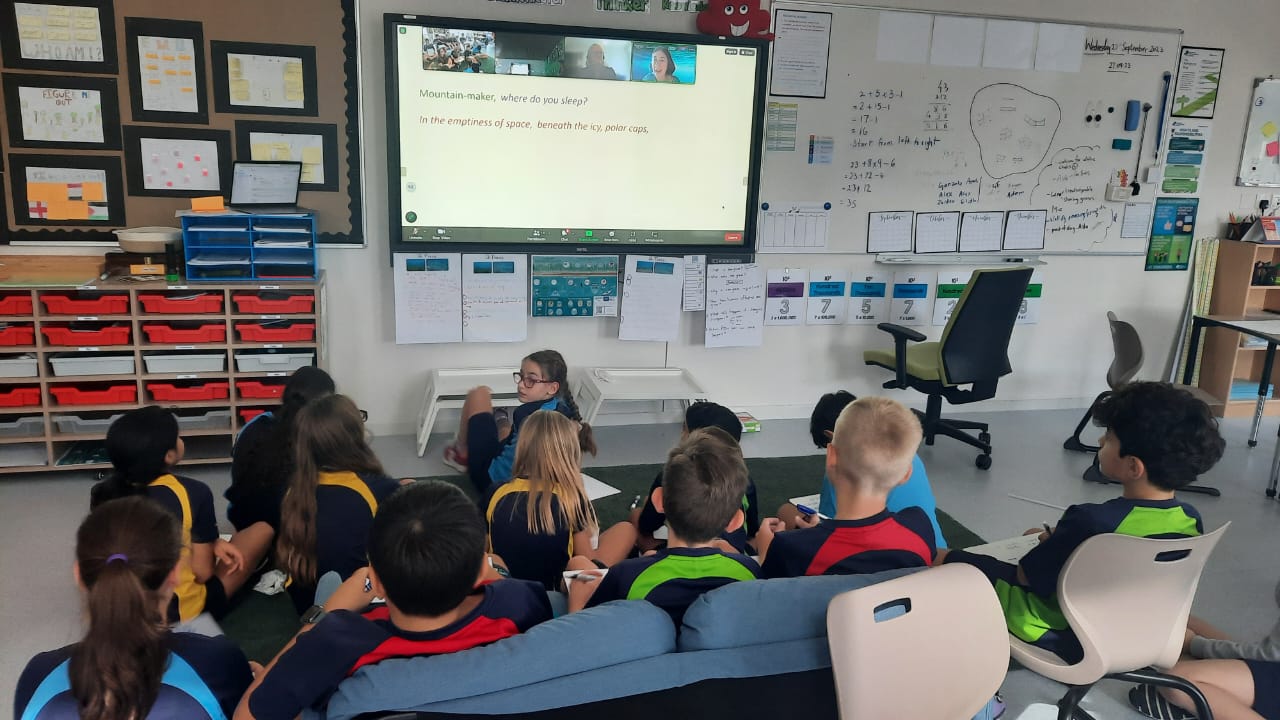
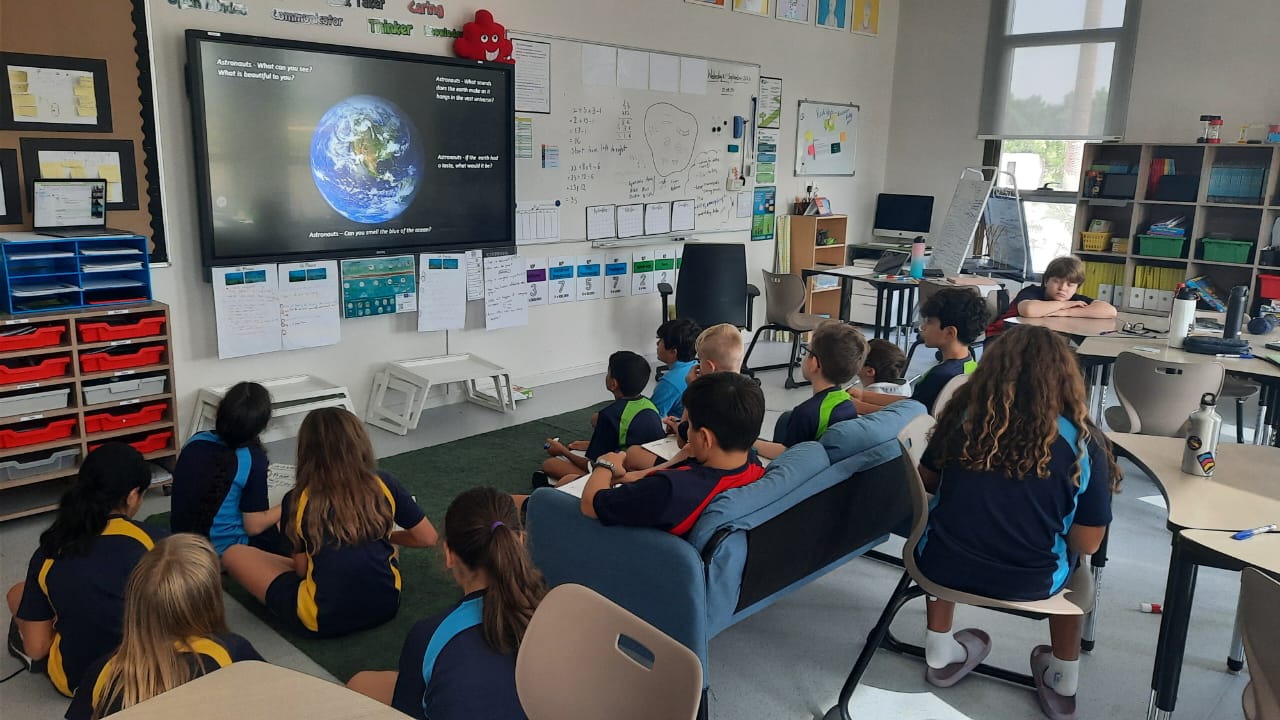
The best part was attending creative writing workshops online led by some amazing educationists. Students produced poetry; kennings and haikus linked to the ocean, which later became part of the published anthology later. Students believed their words were powerful and were fully immersed in these activities.
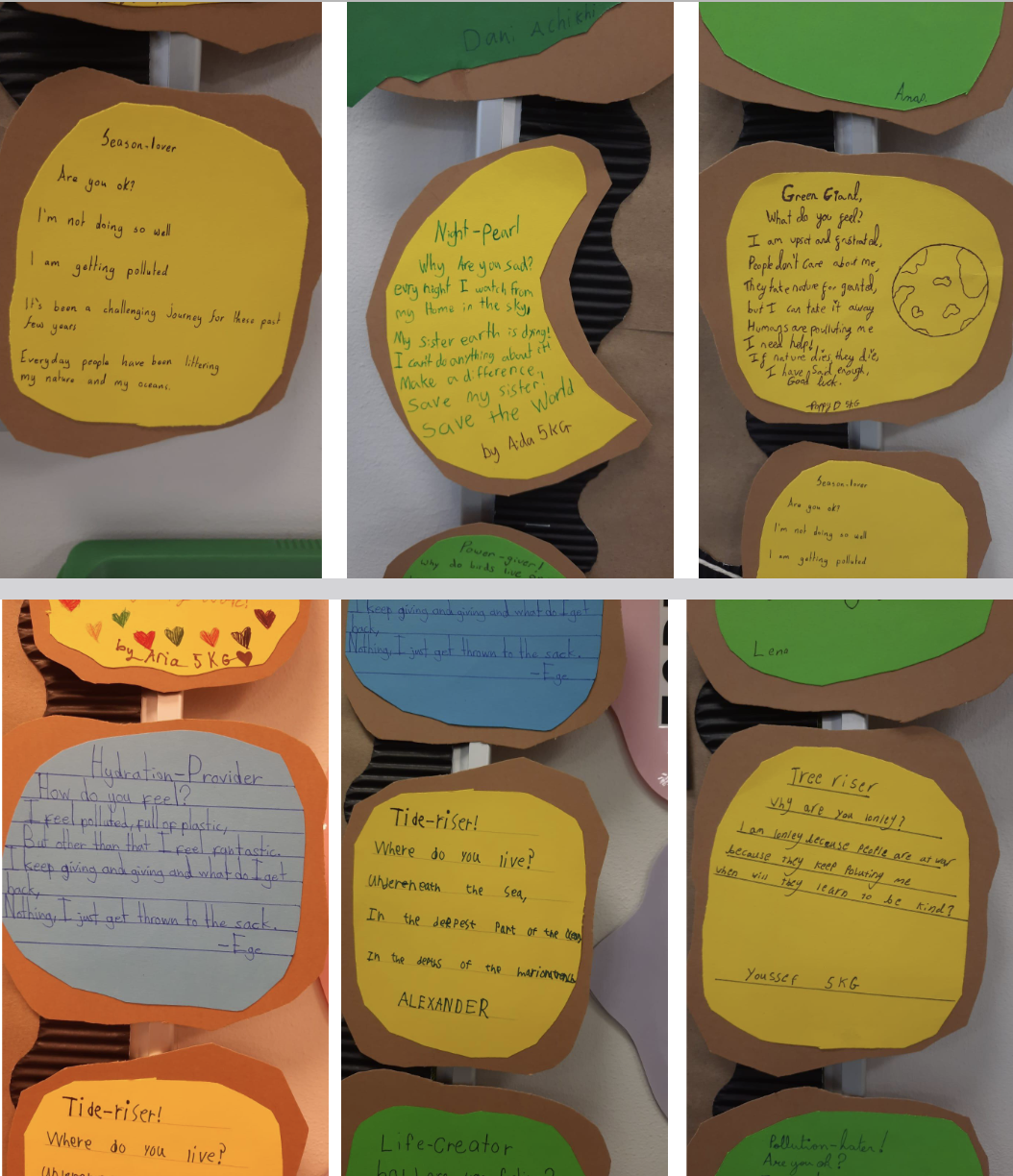
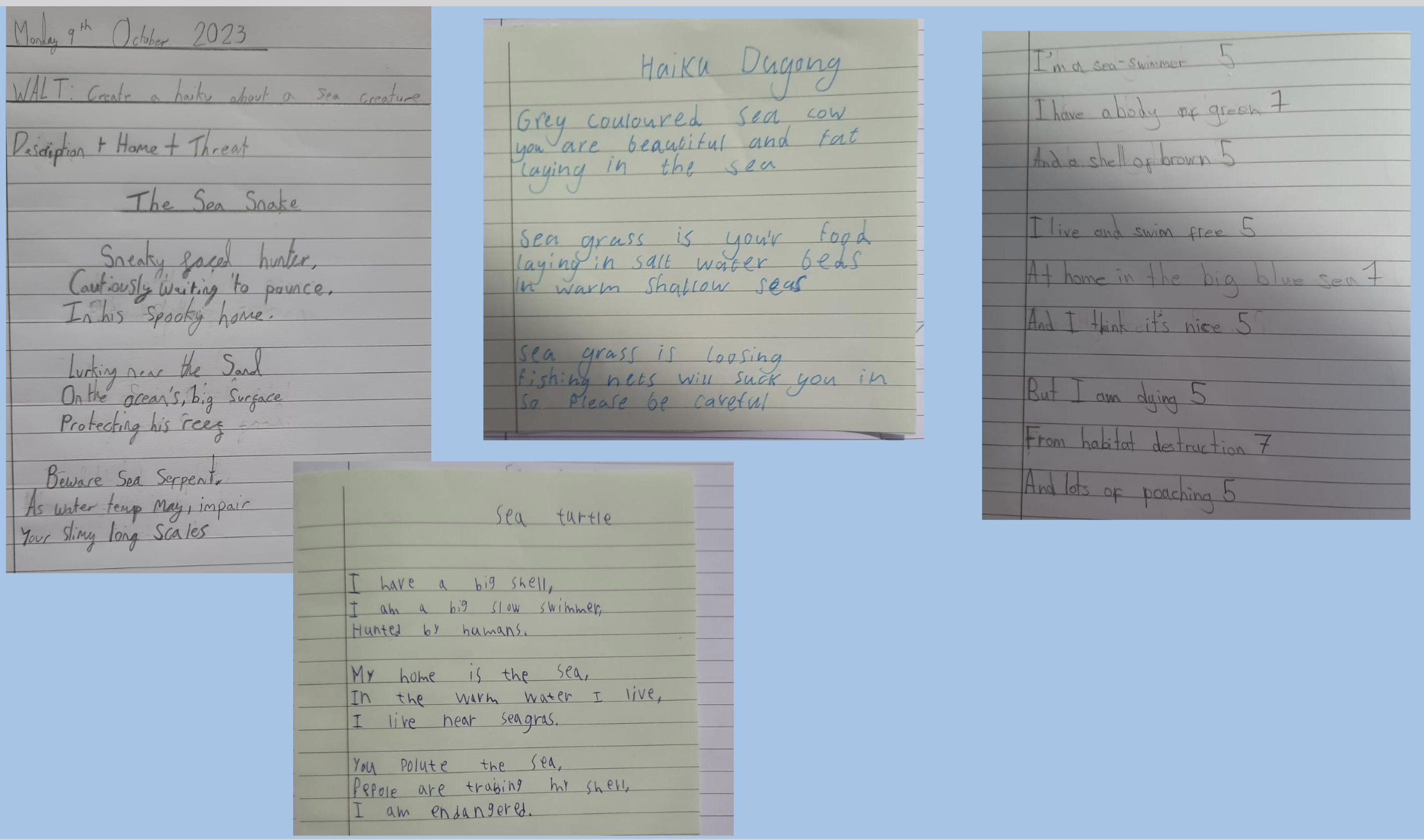
–Connecting through Action:
Later, students developed action plans for sustainable futures, considering past, present, and probable futures using ‘diagrams from the work of David Hicks and Cathie Holden’ (Oh, I seem to have lost the photographs taken of this engagement) Students shared pledges of simple changes they are willing to make for the ocean and to start people thinking and start conversations that all is not lost and even their tiny actions of care can bring in a change. Our partner school created some amazing poetry and shared their video and left us inspired.
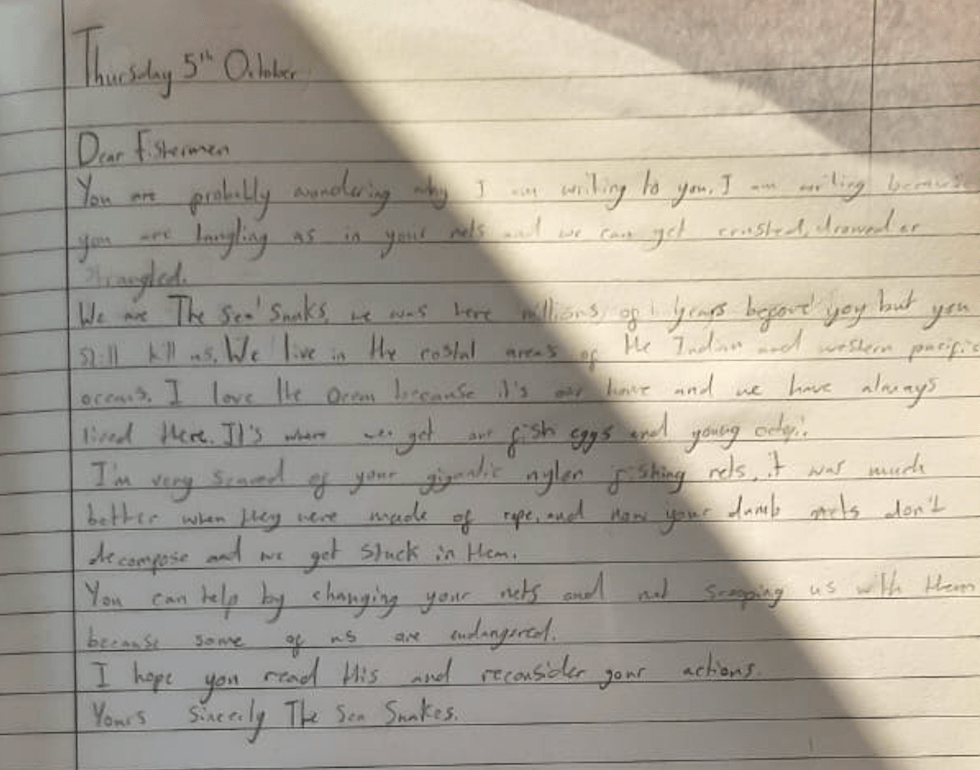
So, How do we make a Unit project-based and sustainability inclusive?
This project experience taught me numerous lessons, one of which was understanding how my classroom teaching and lesson design could maximize their learning and the impact they can make in the real world. To transform any unit into a project-based unit on sustainability, we could do the following:
- Identify specific learning objectives. Start by choosing a theme relevant to your community or country, such as climate change or poverty reduction. In the project discussed above, our main theme was the ocean; the coastlines and diminishing seagrass.
- Tie smaller projects together around a central theme. Projects should vary in activities and skills, including research, hands-on creation, experiments, collaboration, and digital media production.
- Take a transdisciplinary approach. Incorporate sustainability across different subjects e.g., science, math, social studies, language arts.
- Ensure students understand basic concepts (foundational knowledge) before introducing sustainability. For example, we need to teach what natural resources are before discussing their sustainable use.
- Connect projects to the United Nations Sustainable Development Goals.
- Design a project-based experience that includes mastery of knowledge and skills, authenticity, student voice and choice, while creating products to educate the people.
- Look for partnerships within your community or globally. Design projects that connect with real-world issues or involve community engagement e.g., environmental clean-ups, and partnerships with organizations.
- Incorporate plentiful opportunities for reflection and self-assessment. Use various assessment methods like peer reviews, presentations, and portfolios.
But How do I know My Students got it?
Toolkits, or collaborative projects often don’t come with an assessment criteria. It’s incumbent on the teacher then to create rubrics to measure student understanding of core concepts, global competence, values and attitudes, skill development and behaviors like engagement and advocacy.
The key is in the context!
It was a great trans-national learning experience despite our unique contexts. One limitation we faced was the inability to plan a visit to our beaches during the project due to an already packed academic schedule. With the beach at least 40 minutes away from our school, given our desert context, this posed a challenge. Meanwhile, our twinned school could see the ocean from their classroom windows. This made me wonder if there is a best way to approach sustainability. This question troubled me for a while until I realized that there ‘cannot be a perfect model of sustainability’.
The key is the belief that I can advocate and take action for my part, no matter how small, as a step in the right direction. I think this mutual feeling and the relationship we developed with our twinned school—sharing our intentions, cultures, and ideas for the common cause of making our world a better place—was much stronger than the fact that we shared the same ocean.
By integrating sustainability into the curriculum through project-based learning, we can create a sense of global citizenship, encourage interdisciplinary learning, and empower students to become proactive stewards of the environment. This collaborative project has shown us the potential of connecting education with real-world issues, preparing our students to make a positive impact on their communities and the world.
Important Reads:
- Green, F. M. (2012). Global Citizenship – What are we talking about and why does it matter. Trends & Insights for InternationNewman, J. (2011).
- Newman, J. (2011). Green education : an A-to-Z guide. Sage.
 Learn with Arush