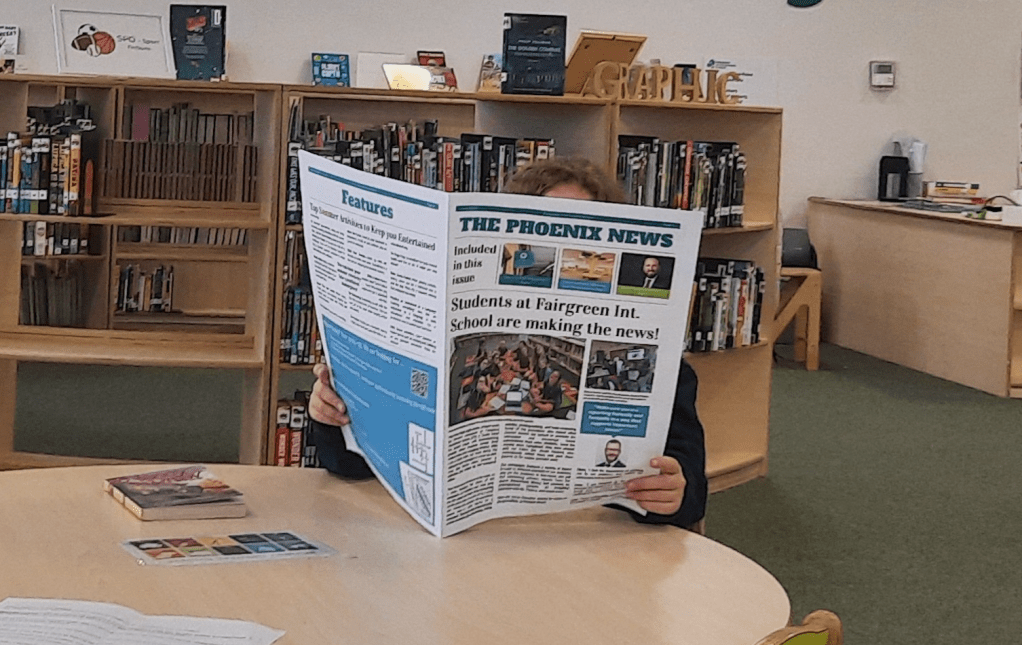
“Never doubt that a small group of thoughtful, committed citizens can change the world; indeed, it’s the only thing that ever has.” — Margaret Mead
A school newspaper is an excellent platform for students to express their ideas, creativity, opinions, and perspectives on matters that are important to them. It can spark their interest in news and issues within the community and beyond. When students feel seen, heard, and valued, they become empowered to take an active role in their education and school community. And who could be better to advocate for students than their own peers—student journalists who walk the same corridors, eat in the same cafeteria, and share the same concerns and interests? This relatability fosters trust and encourages greater engagement from the student audience.
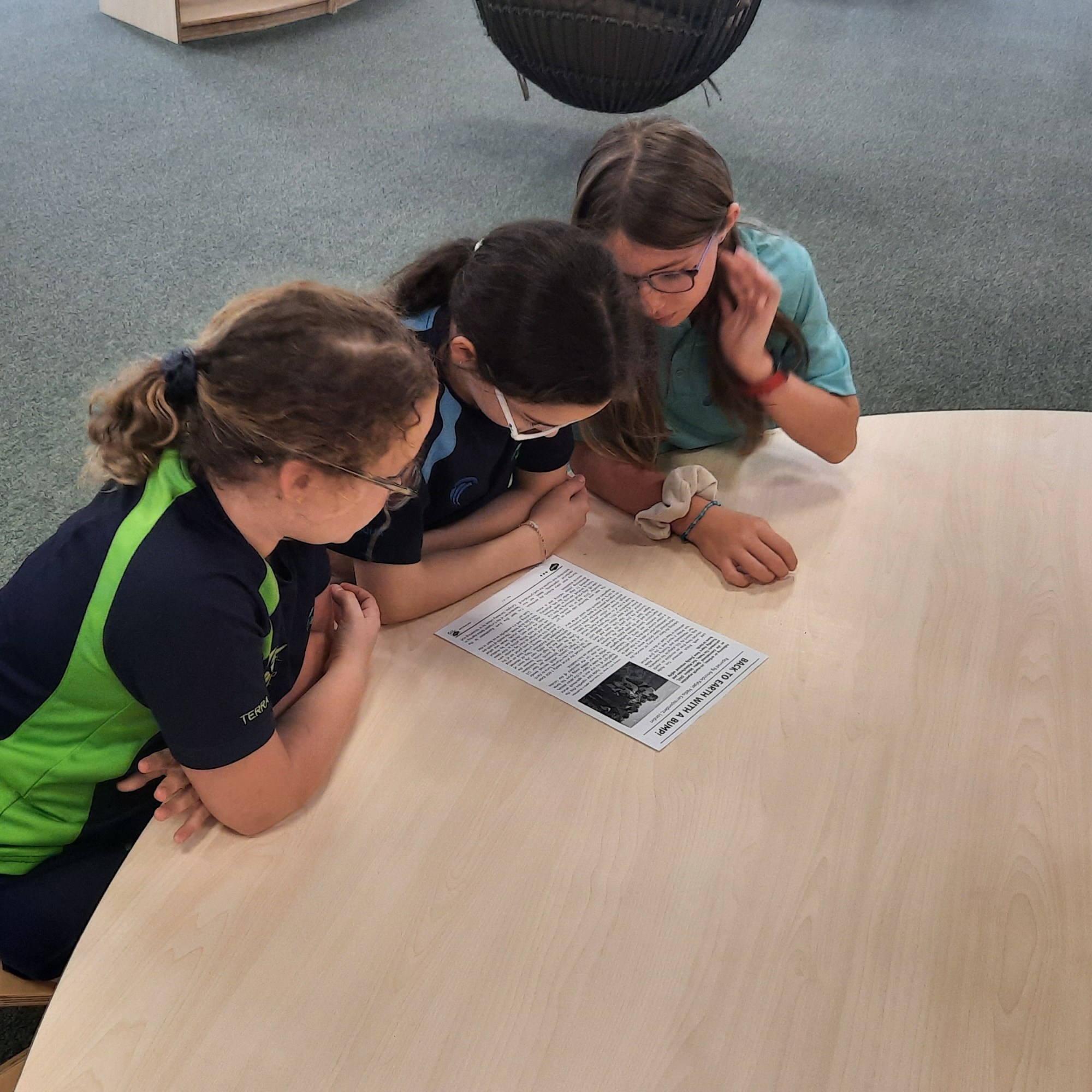
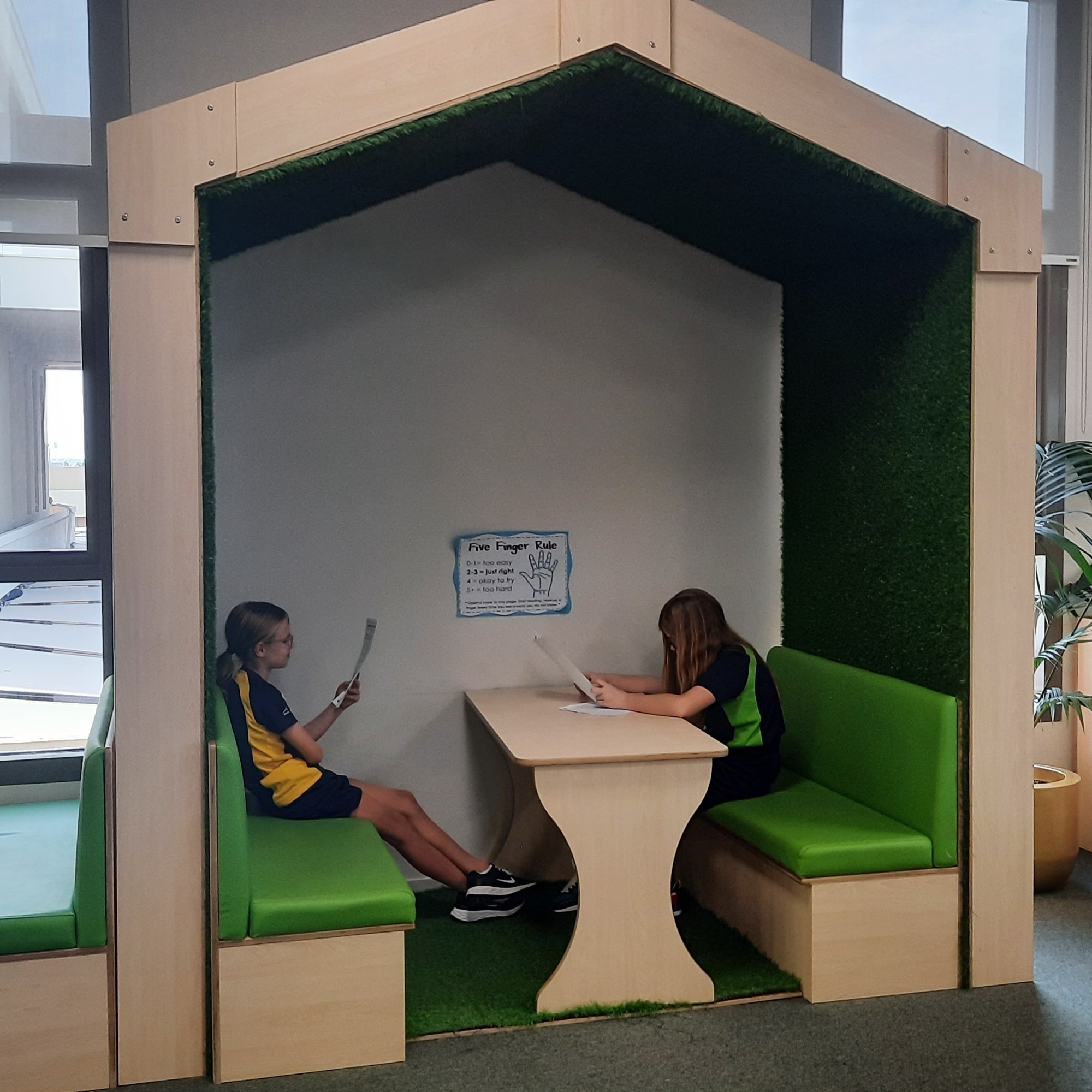
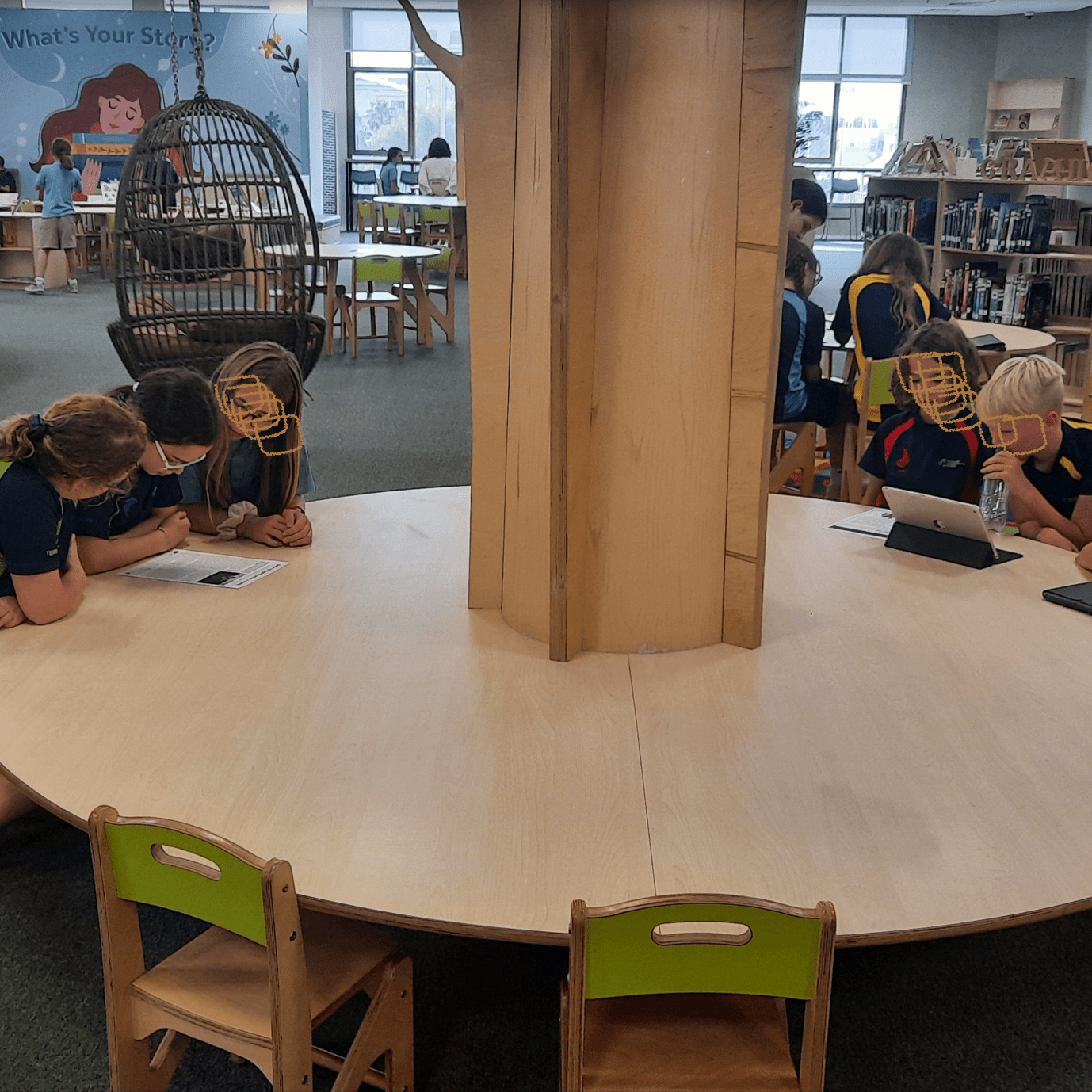
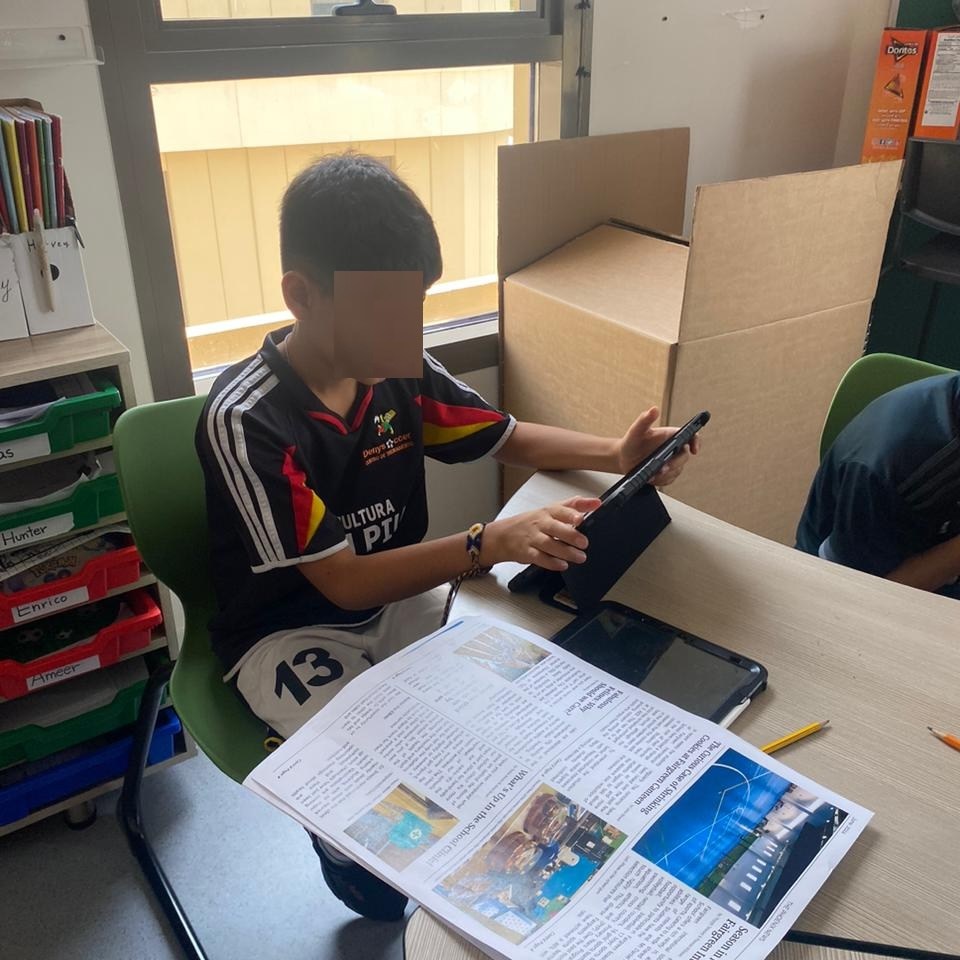
Photos above: Student journalists from grades 4 and 5 researching how to write a newspaper report
In this article I share my journey from running an after-school activity, where I met with students every Monday to find news and write about them, to establishing a student-led newspaper. With high hopes and excitement for the new academic year, as we grow our team of journalists, this article explores how to plant the seeds of journalism in your school and why it is important. It highlights the significance of a school newspaper and offers tips on how to start your own.
My Story
I have always been fascinated with newspapers. Having grown up in a home where seeing a newspaper in the living room, reading it, holding it, and sometimes getting ink on your hands were daily staples. However, today’s children do not have the same opportunity because having a newspaper at home is no longer common. While they can still access news online, there’s something special about the tangible experience of a physical newspaper. This led me to start a newspaper stand in my grade 5 classroom last year where I would bring in the daily newspaper for my students to read. The children loved it! They wanted to discuss and talk about what was going on in the world! Our morning routine included a five-minute sharing session of something they had read that day from the paper. This experience reaffirmed my belief in the importance of newspapers and that I had to do something to encourage students’ curiosity, critical thinking, and engagement with the world.
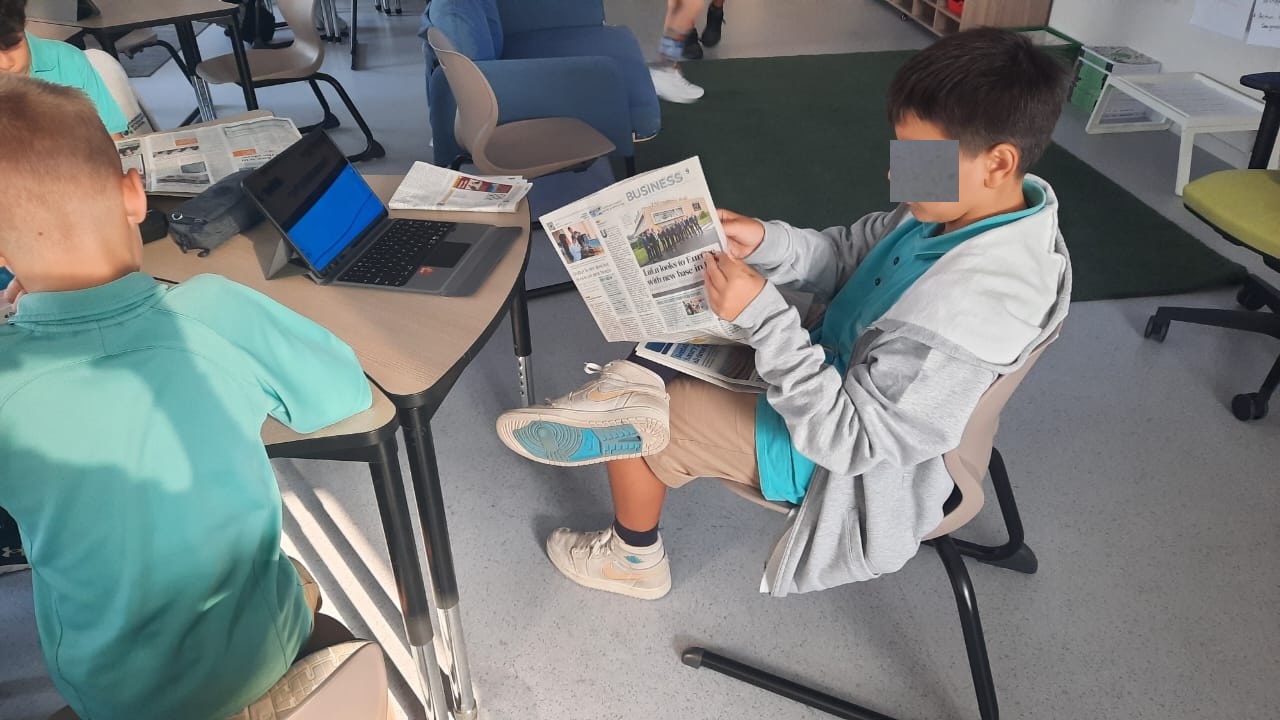
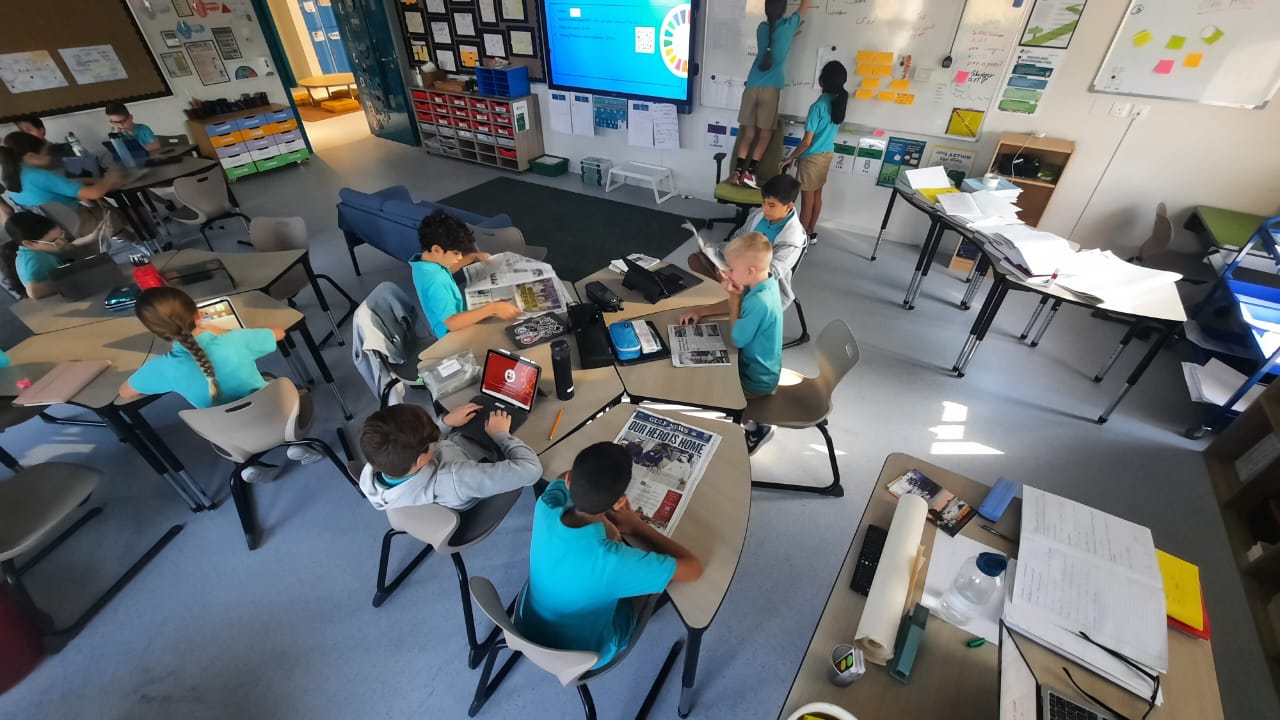
Photos above: Grade 5 students engaged in daily morning routine of reading the newspaper
What’s in A Newspaper
The term ‘newspaper’ may feel outdated to some, harking back to the centuries old practise of ink-on-paper reporting. Technological advancements have broadened the ways we consume news, and some may favor digital screens over traditional paper. So, one can “go away with the paper, and still have the news.” Newspapers are important because they provide reliable and well-researched information, keeping people informed about local, national, and global events.
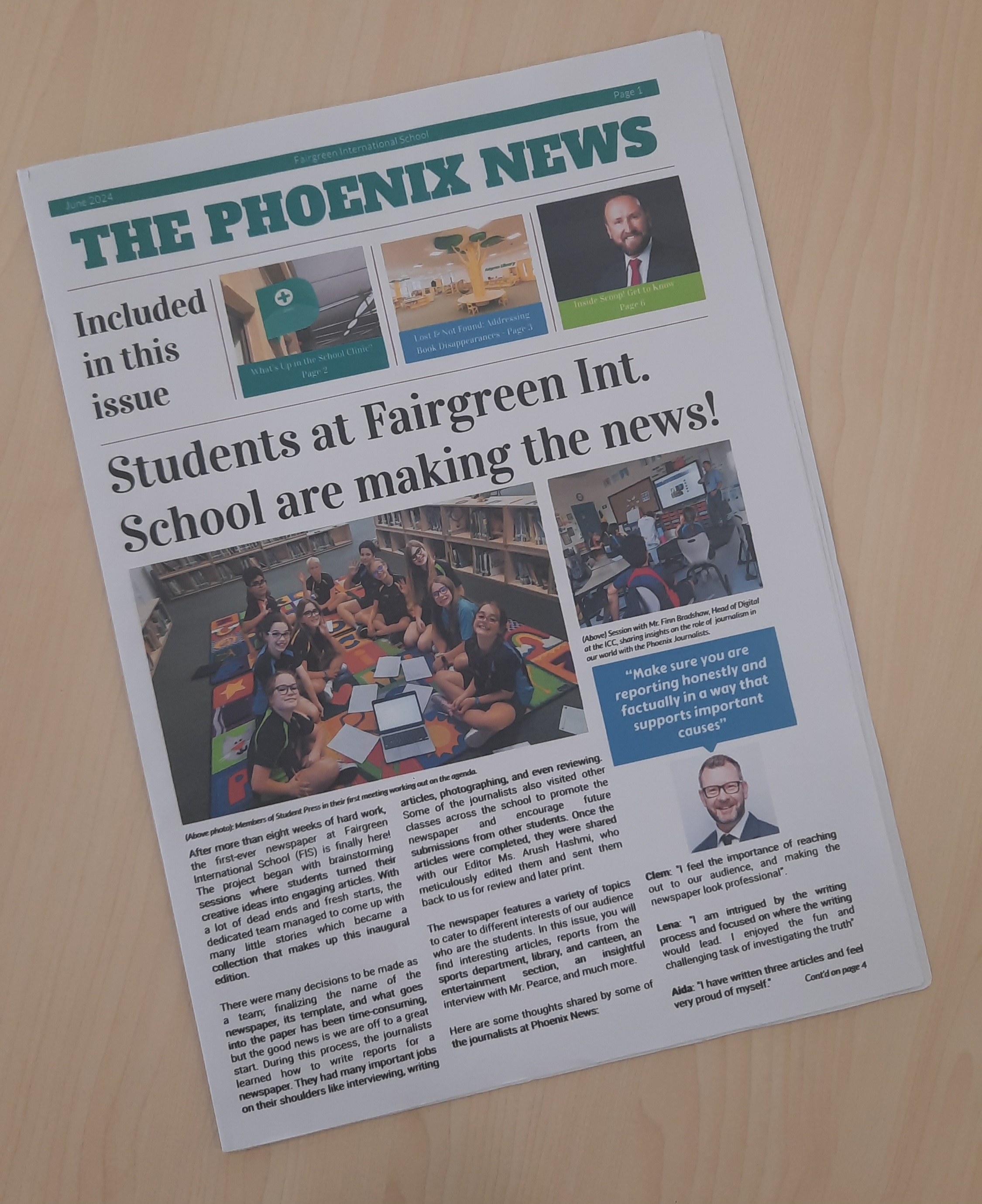
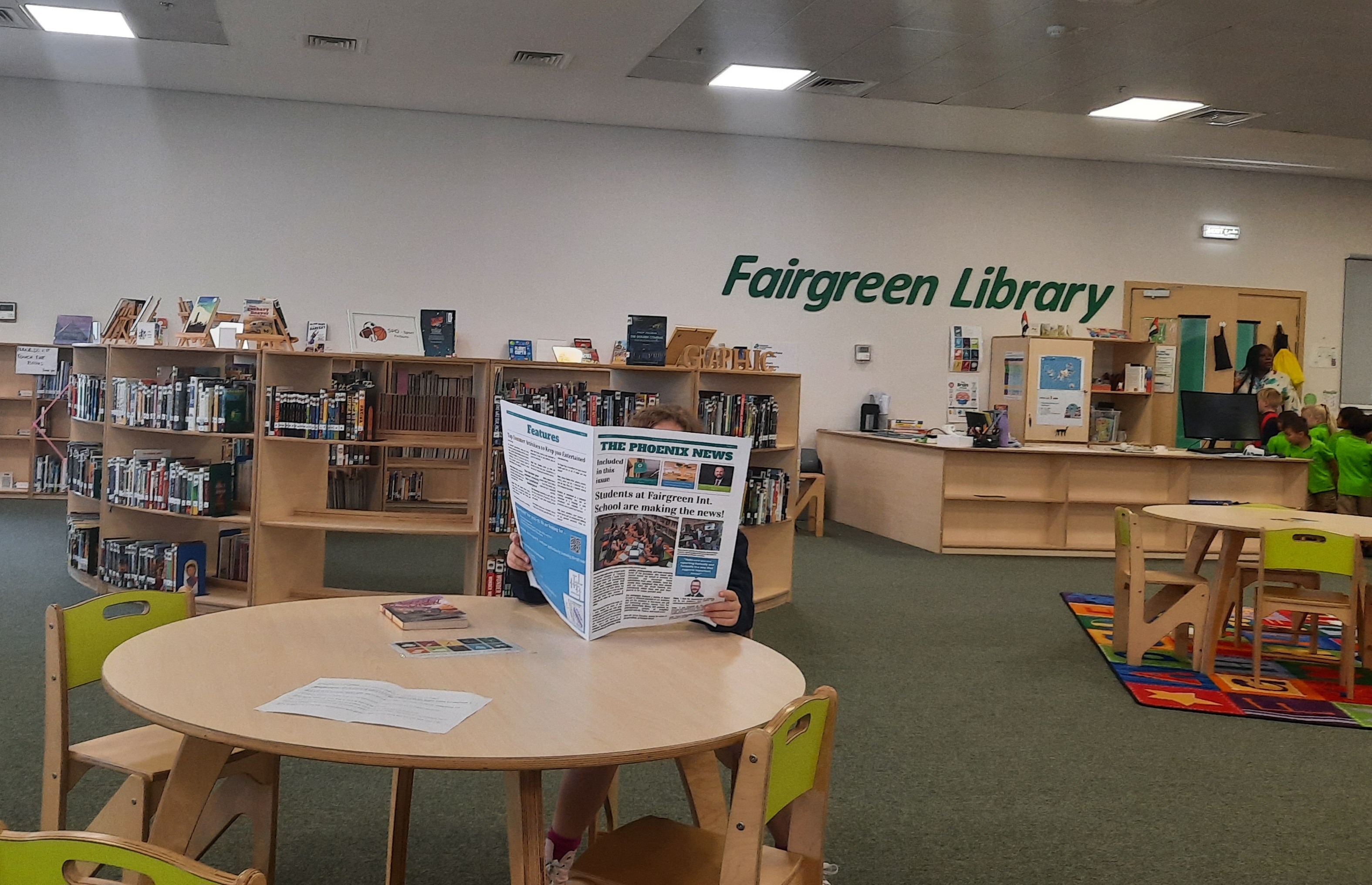
A copy of the first issue of the newspaper produced by a group of PYP students
How to Start Your Own Newspaper
A good idea is to start small! I started a newspaper club as an after-school activity that spanned around eight weeks. Finding a team of journalists wasn’t easy. You want a committed group of students who are willing to go the distance. So, I invited students to submit their best pieces of writing or projects they felt most proud of through a google form application. After viewing their work, we had our team ready!
When forming a team of student journalists, it’s important to highlight that journalism is about sharing news and information. I tell my students to imagine they’re detectives, but instead of solving crimes, they’re uncovering what’s happening around the school and sharing it with others. When selecting students for your team, look for curiosity, a passion for discovering the truth, integrity, honesty, a commitment to fairness, and communication skills, as journalists need to write clearly, convey information accurately, and engage their audience.
ALERT! Creating Your Team of Journalists
Many students may join the newspaper without even realizing the amount of work involved. True journalism requires rigorous fact-checking, thorough research, consistent practice, trust-building, a commitment to truth and honesty and staying unbiased when reporting. As an Editor-in-chief, it’s important to find the right balance to keep your young journalists motivated and committed. This can be challenging, but by setting clear expectations, providing consistent support, and encouraging a collaborative environment, you can help your students understand and embrace the dedication required for quality journalism.
The Big Question? Where & How Do We Work?
We stationed at the library – what could be a better place than a library? It’s an ideal place to start a newspaper because it provides a quiet, resource-rich environment for research and writing, and it naturally encourages a culture of reading and information sharing.
Initially, each journalist might have to do a number of jobs like interviewing, writing articles, reviewing, and even photographing. Not to forget, the promotion and marketing part, visiting classes across the school to promote the newspaper and encourage future submissions from other students. Article/report writing can be a tedious process, as once the articles are completed, they are edited and sent back for review before finding a spot in the final newspaper and proof read.
What Goes in the Paper?
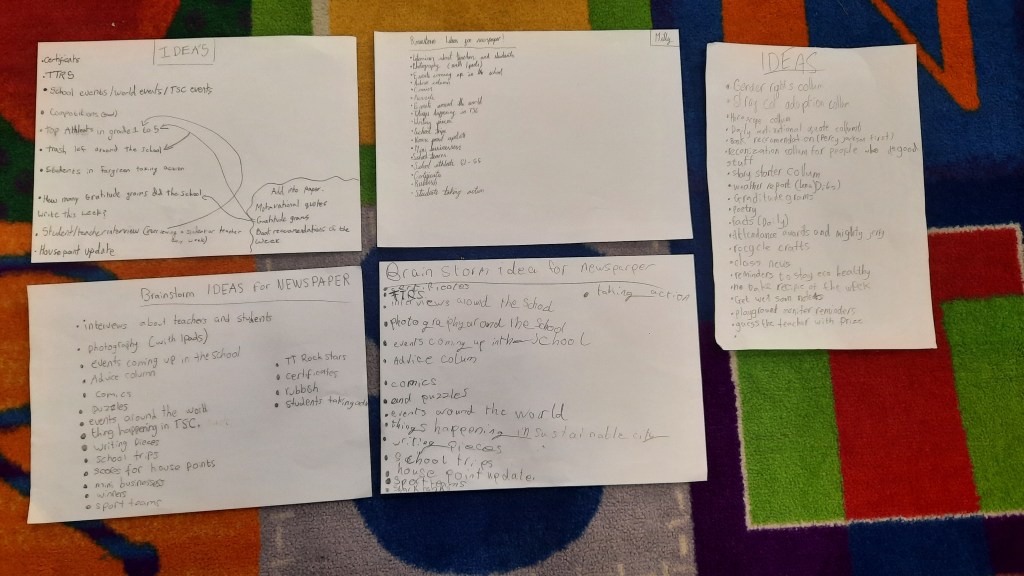
Everything in those pages is important: the cookies in the school cafeteria, ideas for spending the summer break, upcoming changes in the school, research, interviews, games and comics in the entertainment section, books to read, movies to watch, sports, house points, recipes, what’s in, what’s out—the list is endless. Encourage students to contribute to the school newspaper by writing blogs, articles, opinions, or reports on school events. While participating in and covering events that benefit the community, such as fundraisers or volunteer activities, can increase awareness and understanding of important issues.
& The Benefits… Raising Kids Who Are:
Socially Responsible – School newspaper provides a platform to advocate and mobilize thoughts on important social, environmental, and community issues. Highlighting local initiatives, challenges, and successes can inspire collective action and promote a stronger, more connected community.
Open-minded – Starting a school newspaper helps students become more open-minded by exposing them to diverse perspectives through writing and reading articles on various topics. Researching and fact-checking encourages evaluating multiple sources and viewpoints. Including voices from different student backgrounds fosters appreciation for diversity.
International-minded – A school newspaper also contributes to international mindedness by covering global topics and promoting cultural awareness. Articles about different cultures and practices help students develop empathy and understanding. Including diverse perspectives highlights the value of multiple viewpoints, and reporting in different languages enhances linguistic skills.
Endless possibilities! Classroom Activities with a Newspaper
Here is a list of several engaging class activities teachers can use to utilize the school newspaper or any newspaper and encourage reading:



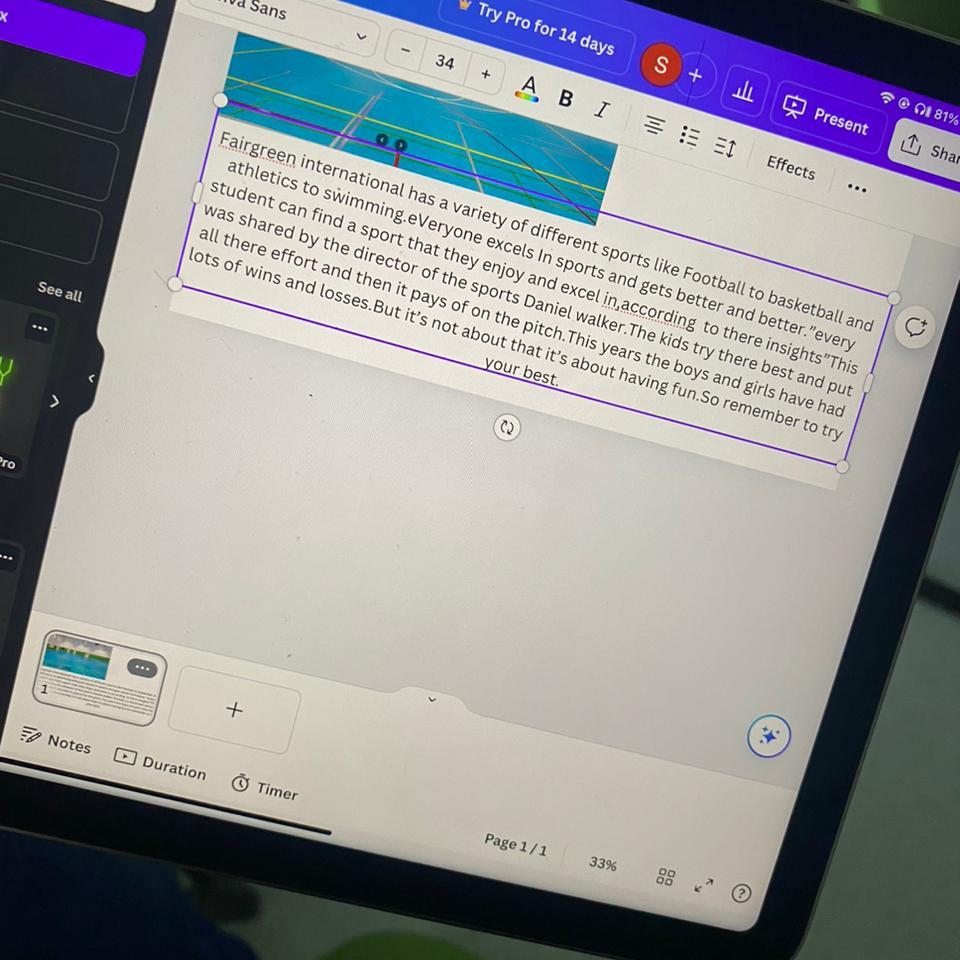
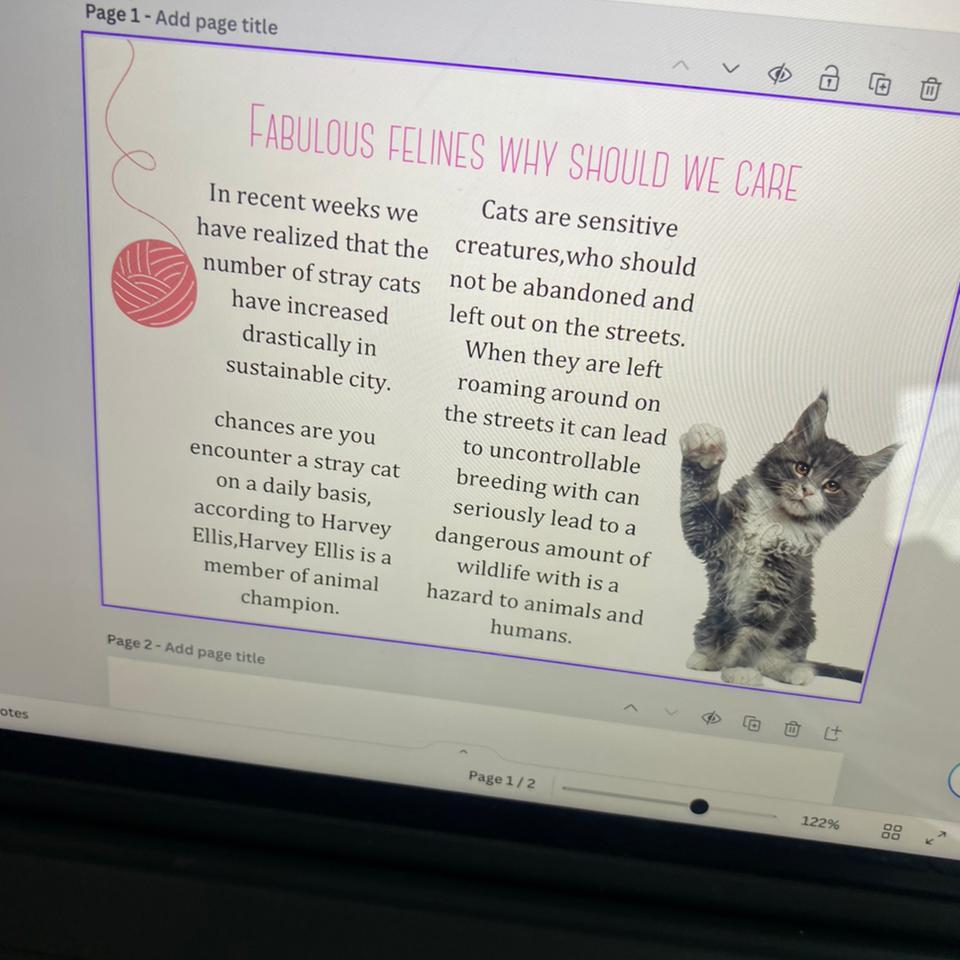
In this class, students chose one of their favourite articles from the school newspaper, to write a summary and create posters
Classroom Discussion: Select a few articles from the school newspaper and have students read them in class. Organize a group discussion or debate on the topics covered in the articles. This will enhance students’ understanding, develop critical thinking skills, and improve their ability to articulate their thoughts.
Newspaper Scavenger Hunt: Create a scavenger hunt with specific items for students to find in the newspaper (e.g., a headline, an opinion piece, a photograph, an advertisement, etc.). This will help familiarize students with different sections and features of the newspaper, and improve their skimming and scanning reading skills.
Article Summaries: Assign students to read a specific article and write a brief summary of its content. This will help develop comprehension, and the ability to identify key points in a text.
Vocabulary Building: Have students highlight unfamiliar words in the newspaper articles and create a vocabulary list. They can then look up definitions and use the new words in sentences.
Role-Playing Interviews: Students can role-play as journalists and interview their classmates or teachers about topics covered in the newspaper.
Editorial Writing: Ask students to write their own editorials or opinion pieces in response to articles they read in the newspaper. This will encourage persuasive writing, opinion formation, and the ability to support arguments with evidence.
Going Further… Making the Newspaper More Student-Led
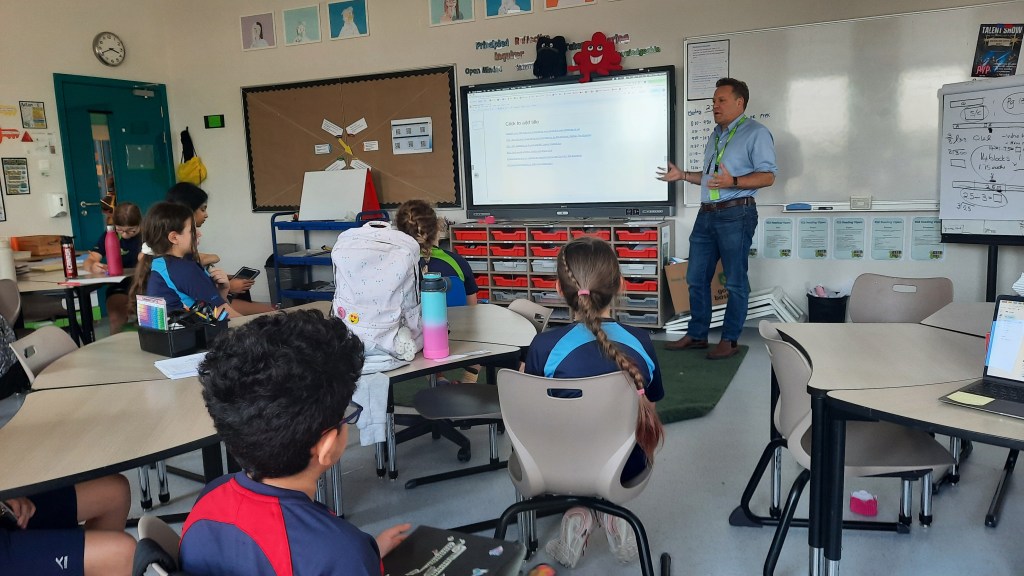
For our first issue, I led the team of budding journalists as a facilitator and editor. But a school newspaper should be led by students because after all it is for them. Now, I’m envisioning the next steps: establishing an independent editorial board with an Editor-in-Chief, section editors, reporters, and designers. It is important to empower them to take full ownership by granting autonomy, providing resources, and offering support through training, mentorship, and journalism workshops. So, once you have a system for writing and reviewing news reports, you can expand the newspaper network by inducting more journalists and delegating responsibilities to experienced students. Invite contributions from the whole school and as content increases, introducing sections like sports, editorials, and entertainment will ensure a diverse and engaging newspaper that benefits the entire school community.
Stay tuned! There’s more to come…
4o
 Learn with Arush